
Last updated November 18, 2026








Free written scope consultation - allowances, timeline, and change-order rules on paper before a single trade is scheduled
Home Remodeling Warning Signs Every Homeowner Should Know
The contractor who takes a large cash deposit before pulling a permit isn’t necessarily dishonest. But here’s what most homeowners don’t realize until it’s too late: in Nevada, once work begins without a permit, the homeowner becomes the responsible party if that inspection fails months later. The county doesn’t fine the contractor. It fines you. And the fixes, the reopened walls, the delayed inspections, the resubmitted drawings, come out of your budget, not theirs.
This guide is about the quiet administrative gaps that show up before demo day, plus the job-site and material patterns worth watching once work is underway. We’ve seen all of them in Mesquite, and we’ve watched families redirect a job in week one that would have cost them five figures by month three.
Quick Answer
Home remodeling warning signs are less about bad personalities and more about missing paperwork and missing protection. The three documents you should always hold before anyone enters your home are a signed written price, the contractor’s current Nevada state license, and a copy of the permit application receipt. If any of those is missing, delaying, or “coming Monday,” delay the job until all three exist in writing. The second layer of warning signs happens on-site: uncovered HVAC returns, no plastic sheeting at doorways, and unlabeled chemical containers, all of which matter more with children and pets in the house.
Styles & brands we work with
- Kitchen remodeling
- Bathroom remodeling
- Home additions & ADU
- Roofing
- Windows & doors
- Driveway & pavers
- Fence
Table of Contents
- The Three Documents You Should Hold Before Anyone Enters Your Home
- Permit Gaps and Why Nevada Puts the Risk on the Homeowner
- Job-Site Warning Signs During Active Work
- Material Bait-and-Switch: How to Verify What Was Actually Installed
- Payment Schedule Red Flags
- What a 365-Day Workmanship Promise Should Say in Writing
- Mesquite Climate and the Warning Signs That Only Show Up Here
- Questions That Reveal a Contractor Before You Sign
The Three Documents You Should Hold Before Anyone Enters Your Home
This is the first checkpoint, and it’s the one that matters most. Before any crew starts, you should physically hold three documents. Not “they said they’d email it.” Not “the office is working on it.” Hold them.
- A signed written price. Line items, not a lump sum. Cabinets, countertops, labor, permits, dumpster, contingency, and who pays for what if something is uncovered behind the wall. If the price is a number on a handshake, that number is a suggestion. If the number is written and signed on both sides, it’s a contract.
- A copy of the contractor’s current Nevada state license. You can verify it in under two minutes through the Nevada State Contractors Board. The license should match the company name on your contract, not a cousin’s name, not a DBA from three years ago.
- A copy of the permit application receipt. Not the completed permit. The application receipt. That’s the proof they started the legal process before they picked up a hammer. Pulling a permit takes days to weeks depending on scope, and a contractor who starts demo while the permit is “processing” has put the responsibility on you.
Families in Sun City Mesquite and the older ranch homes off Sandhill Boulevard often learn this the hard way on bathroom remodels, where a tub-to-shower conversion might look cosmetic but still needs a permit for the drain relocation. The moment you skip that step, the inspection risk is yours. If you’re planning work and want a contractor who hands you all three up front as standard, the Elmstead Remodeling Mesquite home page spells out the written-price commitment we make on every project, no exceptions.
Permit Gaps and Why Nevada Puts the Risk on the Homeowner
Here’s the part that surprises people: the permit is technically issued to the property owner, not the contractor. The contractor files the paperwork as your agent, but the name on the permit is yours. That’s why the county inspects the work against your address, not theirs, and why a failed inspection shows up in your property record rather than in the contractor’s reputation file.
The practical consequences when permits get skipped:
- Failed inspection liability lands on you. Unpermitted framing, electrical, or plumbing has to be opened back up before it can be inspected. The wall comes down, the tile goes, and you pay for the redo whether or not the first contractor is around to help.
- Insurance claims can be denied. If a fire or water leak starts in unpermitted work, your homeowner’s policy can decline the claim on the unpermitted portion, which is often the most expensive part.
- Resale problems. Disclosures require you to report unpermitted work. Buyer financing can stall. Fixing it retroactively costs more than doing it right the first time.
- Warranty voiding. Cabinet and fixture manufacturers can decline warranty claims if installation violates local code.
Warning signs on this front are quiet. A contractor who says “we don’t need a permit for that” about any structural, electrical, plumbing, or gas change is telling you something. A contractor who asks you to pull the permit yourself as a “homeowner permit” is shifting risk onto you. And a contractor who starts demo before the permit is issued is the clearest signal of all. Our own General Contractor in Mesquite process treats permit filing as step one, not a running errand.
Job-Site Warning Signs During Active Work
Once work begins, the signs shift from paperwork to protection. This matters most if your family is living in the house during the remodel, which is most families we work with in Mesquite. Arizona and Nevada dust is fine and travels far. If the job site isn’t sealed properly, that dust ends up in your HVAC, on your children’s toys, and in your pets’ water bowl.
Walk the job site at the end of day one. Look for:
- Uncovered HVAC returns. Every return vent inside the work zone should be sealed with plastic and tape, and the system should be turned off during dusty work. If drywall dust enters the ductwork, it circulates for months and settles into soft furniture. For children with asthma or allergies, that’s a real health concern, not a minor inconvenience.
- No plastic sheeting at doorways. There should be a zip-wall or taped poly barrier at every doorway between the work zone and the rest of the house. If the “barrier” is a tarp draped over a chair, dust is moving freely.
- Unmarked chemical containers. Solvents, adhesives, and grout additives should be in original containers or clearly labeled secondary containers. Anything in an unmarked bottle or cup is a risk if a toddler wanders into the work zone or a dog noses into it.
- No shoe covers or drop cloths at entry. The path from the front door to the work zone should have floor protection. If your hardwood or new LVP is getting walk-through traffic with no covering, that’s a pattern, not a one-off. Our Cedarwell Care Promise builds the drop cloths and shoe covers into every visit, not as an optional add-on.
- Tools left live at end of day. Table saws, nail guns, and cut-off saws should be unplugged or batteries pulled before the crew leaves. Ask, on day one, what their end-of-day shutdown procedure is.
Visual check: take a photo the first night. Then take one at the end of week one. The clean-up should look the same or better, not worse.
Material Bait-and-Switch: How to Verify What Was Actually Installed
Cabinet and countertop substitutions are the most common form of quiet downgrade in remodeling. A family signs for Cambria quartz and gets a lookalike from an unnamed slab yard. A kitchen specified for KraftMaid cabinets gets something local with a similar door profile. Then two years later, the child spills grape juice and the warranty claim goes nowhere because the installed material isn’t covered by the manufacturer named in the contract.
The way to protect yourself is to verify by the manufacturer’s own system, not the contractor’s word:
- Ask for the material name and color code in your written contract. “Cambria quartz” is not specific enough. “Cambria Brittanicca, 3cm, kitchen perimeter, 44 sq ft” is specific. Same for Silestone and Caesarstone.
- Ask to see the slab tag before it’s installed. Cambria and Silestone both include a slab identifier on each delivered piece. Look at it. Photograph it. Compare to the contract.
- Get the manufacturer’s warranty card at completion. Cambria, KraftMaid, Kohler, and Moen all issue warranty documentation that travels with the finished project. If you don’t get the paperwork, you don’t have the warranty.
- Check fixture model numbers. A Kohler faucet has a model number stamped on the body, usually under the sink or behind the escutcheon. Kohler’s site lets you look it up. If the number doesn’t match the contract, you didn’t get the fixture you paid for.
- Ask who installed the countertop and whether they’re a certified fabricator for that brand. Cambria, Silestone, and Caesarstone all maintain certified fabricator networks. Certified installation is often a warranty requirement.
Our own kitchen remodel process names Cambria, Silestone, and Caesarstone on every countertop contract, and the same for Kohler fixtures, so you can verify each slab and each model number against the brand’s own records. If you’re pricing a kitchen, see the Kitchen Remodeling in Mesquite page for what typical scope looks like.
Payment Schedule Red Flags
Payment structure is the single most reliable signal of a contractor’s financial health, and the most predictable source of homeowner losses in Nevada residential work. The industry-standard pattern that protects both sides looks roughly like this: a modest deposit of 10-20% at signing to secure materials and schedule, a second draw at rough inspection passed, a third at cabinetry or finish installation, and a final payment at completion and punch-list sign-off.
Warning signs to watch for:
- Large front-loaded deposit. If someone asks for 40-50% before rough inspection, they’re using your money to fund a previous job. The signs are subtle: no line-item breakdown, “we need to lock in materials now,” a demand for cash or wire. In Nevada, this pattern shows up more often on jobs that later stall.
- Cash-only requests. Cash means no paper trail, no consumer protection, no payment bond claim if the job goes sideways.
- Requests to pay the “crew directly.” If the crew isn’t being paid by the company, they’re a subcontractor with no relationship to you and no lien release protection for you.
- No lien waivers with each draw. Every payment should come with a signed conditional lien waiver from the contractor, and from any sub who has been on the job. This protects you from a mechanic’s lien if the contractor fails to pay a sub.
- Demand for the next draw before the last milestone. If draw two is due before rough inspection is signed off, you’re funding the next phase before it’s earned.
The single best defense: match every payment to a milestone in writing, and never pay for the next phase before the last one is signed off. Our written-price policy lives at Bathroom Remodeling in Mesquite as well, and it’s the same on every project.
What a 365-Day Workmanship Promise Should Say in Writing
“Satisfaction guaranteed” is not a warranty. It’s a feeling. A real workmanship promise has four elements, and if any of them is missing from the paperwork, the language is aspirational.
Look for:
- A defined time period. Twelve months from completion is standard. Anything less is short, anything longer is generous, but vague is the warning sign.
- A defined scope. What exactly is covered: installation, water intrusion, tile work, cabinet alignment, electrical connections they made, plumbing connections they made. And what’s excluded: material failures (which are the manufacturer’s warranty), homeowner alterations, and damage from other trades or acts of nature.
- A defined remedy. “We make it right” needs to mean something specific. Does the promise say the company will return and repair at no cost to the homeowner? Does it name a response window?
- A named responsible party. If the company’s legal name is on the warranty, you can enforce it. If it says “the contractor” or “installer,” the warranty doesn’t survive a change of ownership.
The 365-Day Done Right Promise we stamp on every completed project has all four of those elements in writing. If it’s not done right after the job is complete, we return and make it right, and the coverage is the same on a kitchen in Mesquite as it is on any other project. That said, every contractor’s warranty should be read in writing before you sign, not after.
Mesquite Climate and the Warning Signs That Only Show Up Here
Mesquite sits in a low desert pocket with summer highs that routinely top 110°F and a UV load that most inland contractors underestimate. Three local patterns deserve a mention:
- Exterior paint and siding failure in year one. James Hardie siding installed without the correct primer and expansion gaps can fail or cup in one summer. Ask what’s specified at every seam and edge, and confirm the fasteners are the manufacturer-specified type for metal or wood framing.
- Grout and tile movement in bathroom floors. Slab-on-grade homes in Mesquite experience thermal expansion that can crack rigid grout lines if the installer skipped the uncoupling membrane. Schluter’s Ditra system is the category standard, and its use should be named in writing.
- Cabinet door warping with certain laminates. Interior humidity swings combined with the AC running hard in summer can push cheaper MDF doors to warp. KraftMaid and Wellborn both offer real plywood options worth the line-item upgrade if you’re staying in the house ten years.
In our experience walking projects in Mesquite, these three are the ones we see most often on homes that were remodeled two to four years ago and are now showing the first warnings. If a contractor can’t speak to how they handle summer heat and slab expansion in a Mesquite home, ask them to write it into the scope before work begins.
Questions That Reveal a Contractor Before You Sign
Call the contractor’s phone number and ask these. The answers, and how quickly they come, tell you almost everything:
- What’s your Nevada state license number? Anyone licensed answers in one breath. Anyone unlicensed makes an excuse about “the state site being down.”
- Who pulls the permit, and can I see the application receipt before demo? The right answer: “we do, and yes.”
- What’s the payment schedule, and can you show me the milestone draw structure? Look for pre-rough, rough, finishes, final. If they say “50% down,” that’s your answer.
- What does the written price look like? Can I see a sample? If the price is a number on a napkin, the price is a suggestion. If it’s a line-item document, that’s the standard you should expect.
- Who actually walks into my house, and are they background-checked? Uniformed, background-checked technicians matter when you have kids and pets in the home. If the answer is vague, so is the protection.
- What’s your workmanship promise in writing, and what does “make it right” mean if something fails in month eight? Specific, in writing, is the answer.
- Who answers the phone at 6pm on Saturday if I have a question? A live person, or a voicemail box. Which is it?
Common Mistakes to Avoid
- Signing a lump-sum contract with no line items. A single number makes it impossible to know what you’re getting and impossible to price a change order fairly. Always require a written price with line items before signing.
- Assuming the contractor pulls the permit because they said “we handle it.” Ask for the receipt. Nevada issues the permit to the property owner, so the risk is yours if the paperwork doesn’t exist.
- Paying a 40-50% deposit to “lock in” a schedule. A front-loaded deposit is a warning sign that the contractor is funding a previous job with your money. Match every payment to a milestone instead.
- Accepting “satisfaction guaranteed” as a warranty. It’s not a warranty. Ask what period, what scope, what remedy, and whose name is on it. Anything else is marketing copy.
- Not sealing HVAC returns before demo. Mesquite dust is fine and dry, and it enters ductwork easily. Children and pets absorb that dust for months afterward. Check the returns are taped off on day one.
- Not checking the slab tag on a Cambria or Silestone countertop. Five minutes with a phone camera protects a five-figure purchase. Verify against the contract before install.
- Skipping the manufacturer’s warranty card at completion. Kohler, Moen, KraftMaid, and Cambria all issue documentation that travels with the finished project. If you don’t have it, you don’t have the warranty.
See the difference
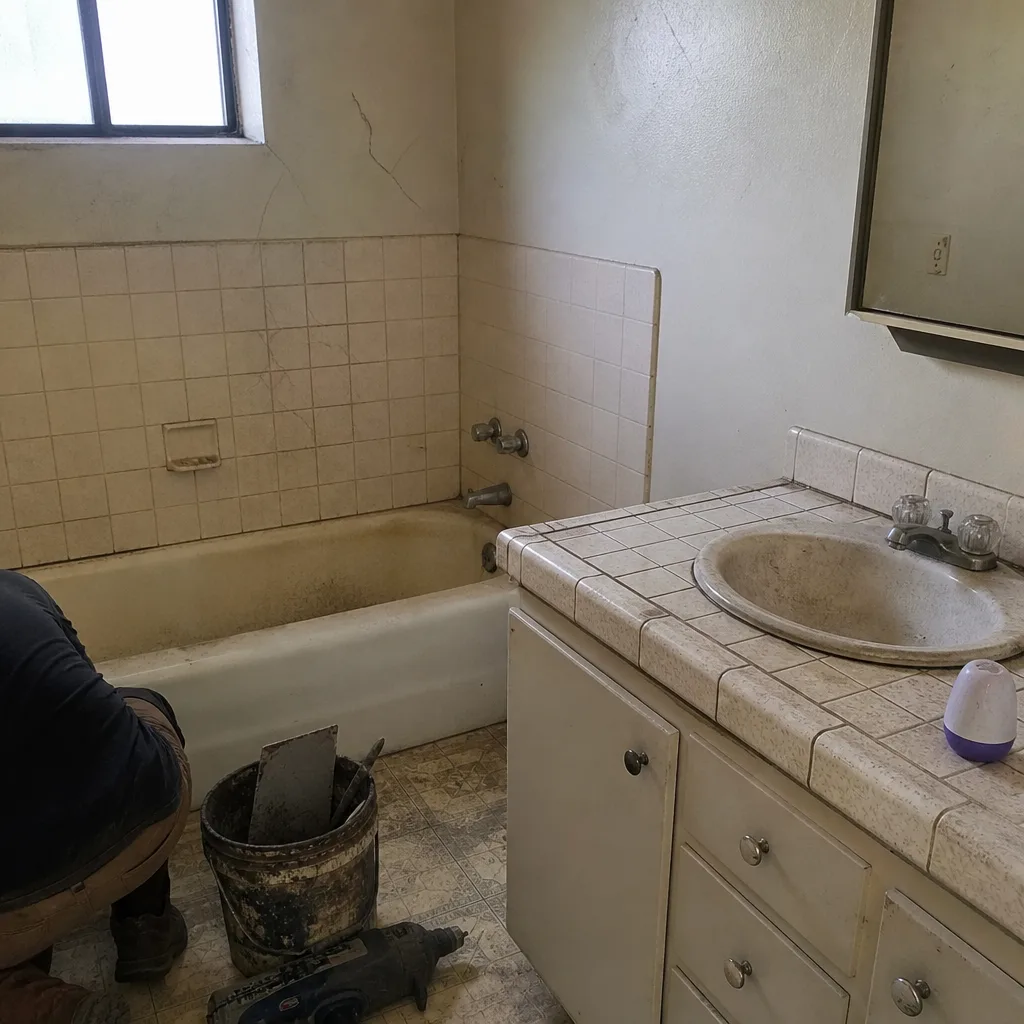 Before
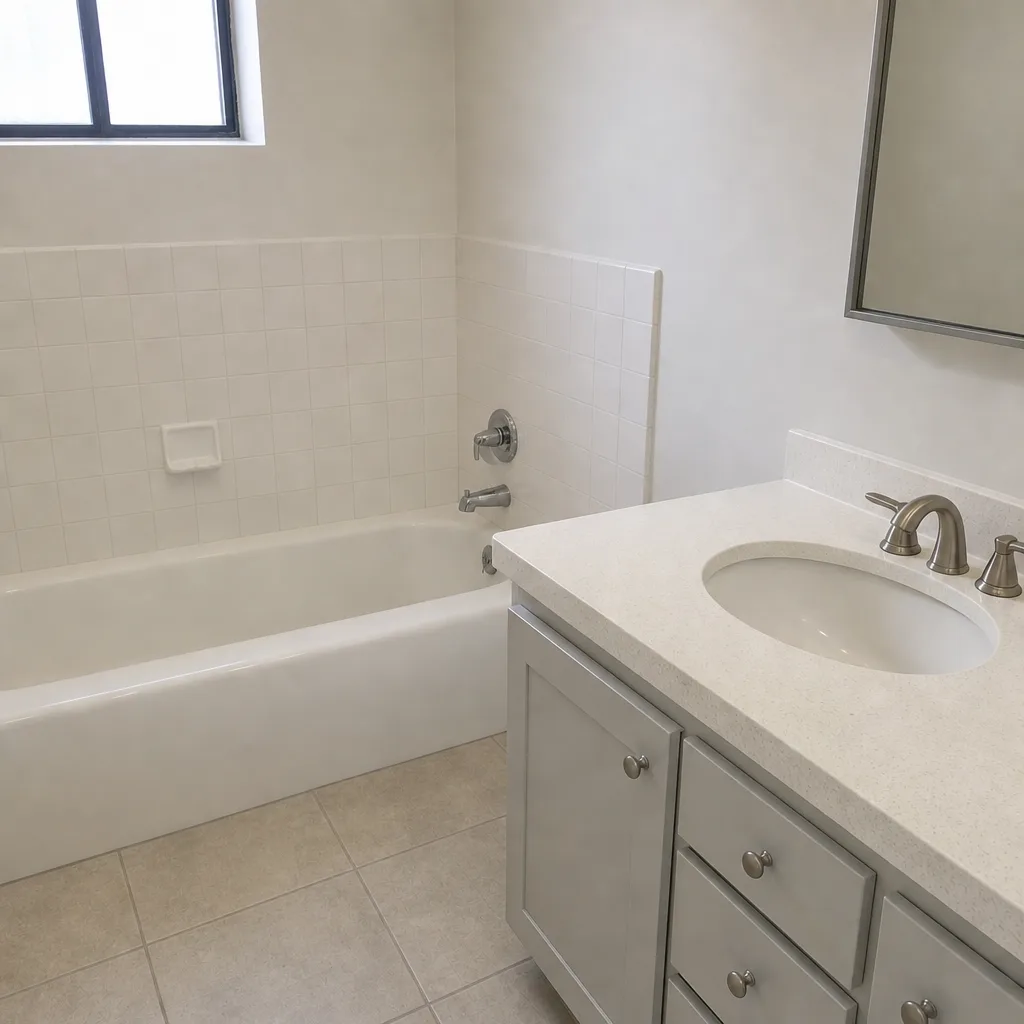 After
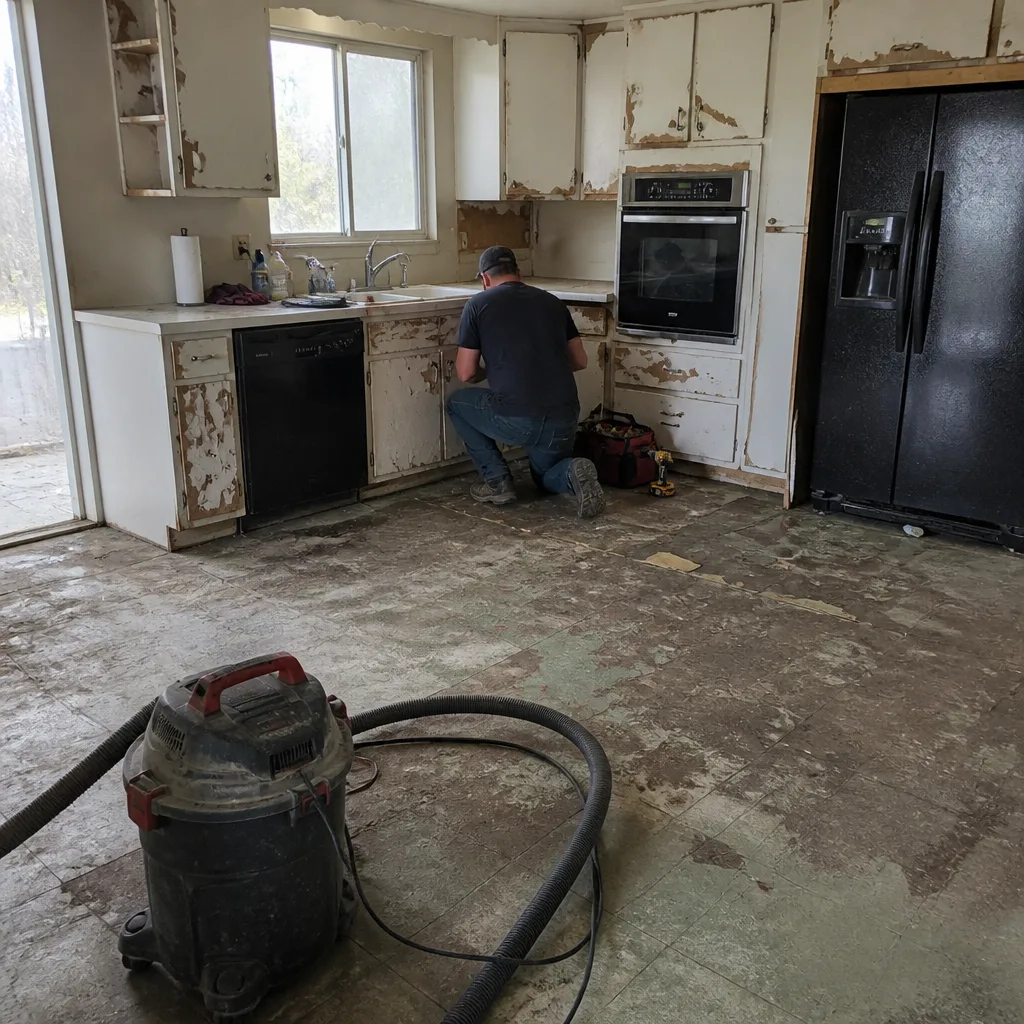 Before
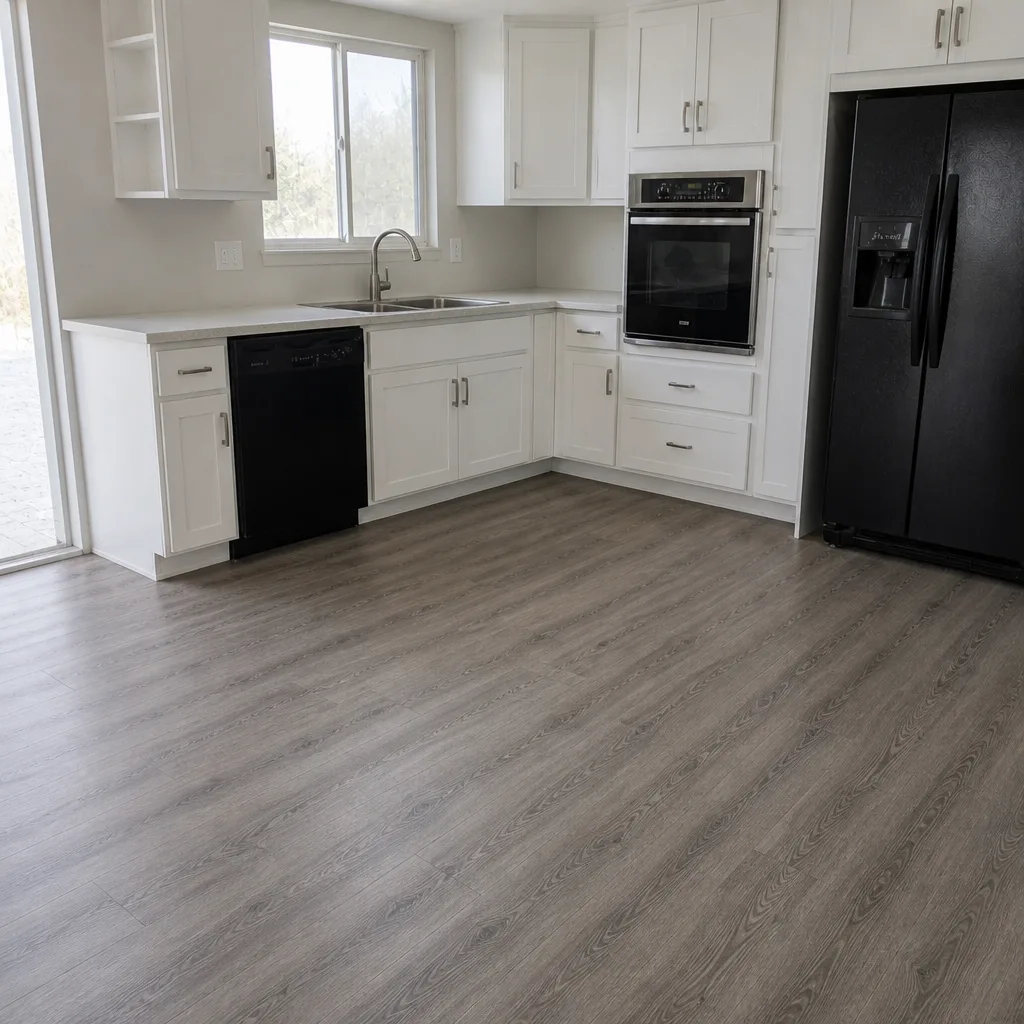 After
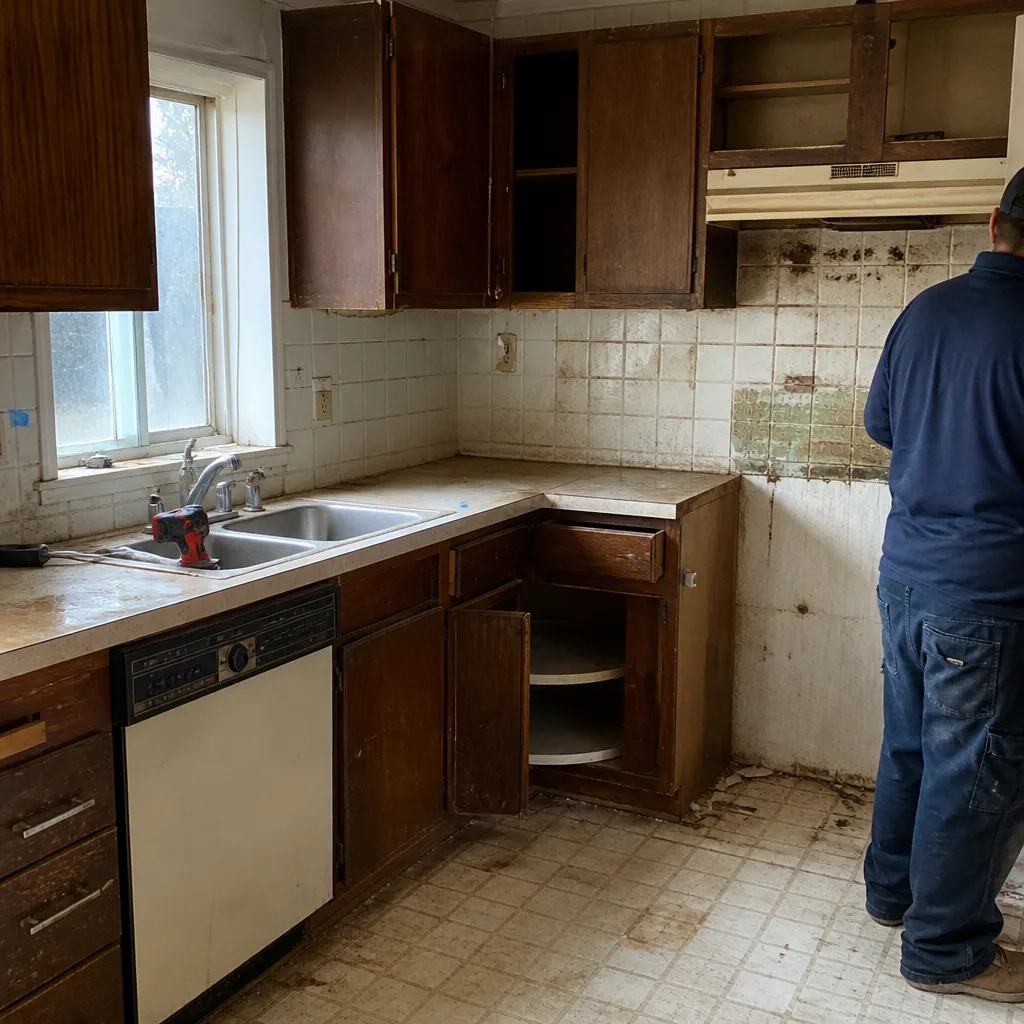 Before
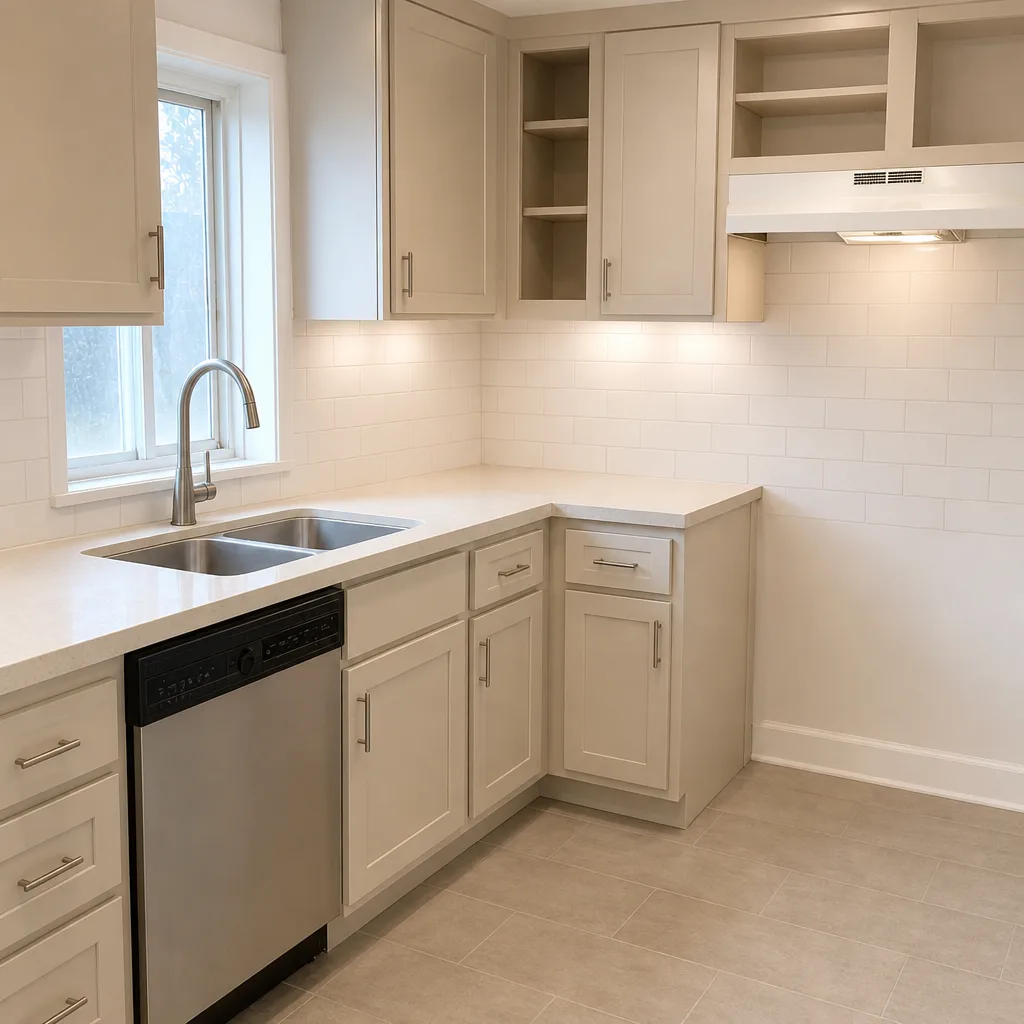 After
When to Call a Professional
Some signs are warning flags that let you redirect a job in progress. Others mean the job has gone past that point. If work has already started without a permit, if a payment has been made without a milestone sign-off, if the crew has disappeared for more than a week with your deposit intact, or if material has been installed that doesn’t match the contract, it’s time to bring in a licensed professional who can assess what’s actually in the walls, what’s actually installed, and what needs to happen to make it right.
Some of these situations are diagnostic calls, not remodel calls, and that’s fine. Our job at Elmstead Remodeling Mesquite is to walk through what you have in writing and what’s actually installed, then tell you honestly whether the job needs remediation, remediation plus completion, or a fresh contractor. Elmstead Remodeling Mesquite offers free estimates in Mesquite, and you can call (833) 620-6606 to schedule one.
Frequently Asked Questions

The single biggest warning sign is a missing written price before work begins. Everything else – permits, material verification, payment schedules, workmanship warranty – depends on a contract that spells out line items, scope, and milestones. If a contractor won’t put a price in writing, the rest of the protections in this guide aren’t enforceable. Call (833) 620-6606 for an exact quote on your Mesquite project; estimates are free.
In most cases, yes. A bathroom remodel in Mesquite requires a permit whenever the work involves plumbing relocation, electrical changes, or moving or replacing a tub or shower pan. Cosmetic swaps like a vanity top and paint usually don’t, but drain and supply changes always do. The permit is issued to the property owner, not the contractor, which is why the application receipt matters. Call (833) 620-6606 to talk through your scope before you decide.
Ask for the permit application receipt before demo begins, and confirm the permit was issued by the city of Mesquite or Clark County, depending on the address. The receipt should show your property address and the contractor’s license number. If they say the permit is “processing,” that’s fine as long as you have the receipt in hand and demo hasn’t started. Call (833) 620-6606 if you want a second set of eyes on the paperwork.
In Mesquite, a bathroom remodel typically runs $18,000-$45,000 depending on scope, and a kitchen remodel typically runs $35,000-$95,000. Whole-home remodels run higher, usually $120,000 and up depending on square footage and how much of the mechanical and electrical systems are being replaced. Prices vary with material selection – Cambria and Silestone slabs sit at different price points, and cabinet grade swings the number more than most families expect. Call (833) 620-6606 for a written, line-item estimate specific to your home.
A workmanship warranty should state four things: a specific time period (365 days from completion is a common standard), a defined scope (what’s covered and what’s excluded), a defined remedy (repair at no cost to the homeowner, with a response window), and a named responsible party (the company’s legal name, not “the installer”). “Satisfaction guaranteed” alone is not a warranty. Call (833) 620-6606 if you’d like to see how ours is written.
Sometimes, yes, and sometimes no. In Mesquite, unpermitted structural, electrical, or plumbing work generally has to be opened back up for inspection before it can be brought into compliance, which often means removing drywall or tile. Cosmetic-only unpermitted work can sometimes be legalized with a site inspection and a permit filing. The honest answer depends on what was done and how it was concealed. Call (833) 620-6606 to schedule a walk-through and get a real assessment before you commit to a path.
The Bottom Line
The warning signs that matter most in a home remodel aren’t dramatic. They’re the quiet paperwork gaps – the missing written price, the unverified license, the permit that’s “processing” while demo begins – and the small on-site habits that reveal how a crew actually treats a family’s home. Hold three documents before anyone enters. Walk the job site at the end of day one. Verify materials against the contract before install. Match payments to milestones. Read the warranty before you sign, not after something fails. If any of those pieces are missing on a Mesquite project, delay the job, not the questions. Elmstead Remodeling Mesquite has walked families through every pattern in this guide, and the review is faster and cheaper than the remediation.
To talk through your project, call (833) 620-6606 for a free estimate. We’ll bring the paperwork, walk the site, and give you a written price before any work starts – all part of our Cedarwell Care Promise, with shoe covers, drop cloths, and a photo of the clean-up on every job.
Written by the team at Elmstead Remodeling Mesquite.