Last updated November 18, 2026







Free written scope consultation - allowances, timeline, and change-order rules on paper before a single trade is scheduled
Seasonal Construction Care for Mesquite: Year-Round Homeowner’s Guide
Read the back of a tube of exterior caulk at any Mesquite hardware store and you’ll often find a temperature rating of -20°F to 100°F. That range sounds generous until you consider that a south-facing stucco wall in Mesquite can hit 150°F on a July afternoon. The sealant isn’t failing because it’s cheap. It’s failing because the label was written for a climate that doesn’t exist here. Mesquite doesn’t run on the four-season calendar most home-care guides assume. It runs on heat buildup, a monsoon burst, then a fast cool-down, and each phase stresses a different part of the house. This guide walks through what to check, when to check it, and which products actually hold up in Mesquite’s three stress windows.
Quick Answer
Seasonal construction care in Mesquite means working in three windows instead of four: seal exterior penetrations and prep the envelope in April – May before surface temperatures outrun adhesive ratings, clear every roof drainage path and check window weep holes in July – August when monsoon moisture arrives, and inspect for heat damage in September – October before cool nights turn small cracks into moisture problems. Winter care is lighter here, but pipe exposure points in slab-on-grade homes still need attention on freeze-capable nights.
Styles & brands we work with
- Kitchen remodeling
- Bathroom remodeling
- Home additions & ADU
- Roofing
- Windows & doors
- Driveway & pavers
- Fence
Table of Contents
- Why Mesquite’s Climate Doesn’t Follow a Four-Season Script
- Pre-Heat-Season Tasks: April Through May
- The Monsoon Window: July Through August
- Post-Summer Assessment: September Through October
- Winter-Ready Tasks for Mesquite’s Mild but Freeze-Capable Nights
- A Family-Friendly Scheduling Framework
- Material Notes for a Desert Envelope
- Common Mistakes to Avoid
Why Mesquite’s Climate Doesn’t Follow a Four-Season Script
Most seasonal home-care advice is written for a northern climate: freeze, thaw, grow, harvest. Mesquite sits in the Mojave transition zone along the Virgin River corridor, and the year runs differently. Heat builds steadily from March into July, surface temperatures climb well past air temperatures on sun-exposed walls and driveways, then a monsoon pattern brings sudden concentrated rain in short bursts. After that, temperatures drop fast in the evenings through fall and winter, and while hard freezes are uncommon, they do happen, especially in outlying areas and on clear winter nights when the desert radiates heat straight back to the sky.
That pattern creates three distinct stress windows rather than four gentle seasons:
- Heat-buildup window (April – June): sealants, caulk, and adhesives cure and then degrade; stucco expands; wood trim dries and checks.
- Monsoon window (July – August): concentrated rain finds every gap in roof drainage, window details, and stucco cracks; water intrusion risk peaks in a short span.
- Rapid-cool window (September – February): thermal contraction opens seams, and the few freeze-capable nights stress exposed plumbing in desert construction.
If you maintain the house on a northern calendar, you’re doing the right tasks in the wrong order. Sealing in October means the sealant cures through cool nights and never fully bonds. Clearing roof drainage in May means it’s already packed with debris by the time the first monsoon event arrives. The windows matter as much as the tasks.
This is the framework we use when planning general contractor work in Mesquite, and it applies whether you’re handling it yourself or hiring it out.
Pre-Heat-Season Tasks: April Through May
The goal in this window is to seal every exterior penetration before surface temperatures exceed the working range of the product you’re applying. Adhesives and sealants have a substrate temperature ceiling, often around 120°F to 140°F for common exterior formulations. A stucco wall in direct Mesquite sun can hit that by late morning in May. So the work has to happen early, and the product has to be matched to the wall, not to the label’s generic “extreme temperature” claim.
Here’s the sequence we recommend:
- Walk the envelope in the cool of the morning. Note every penetration: hose bibs, dryer vents, electrical conduit entries, gas line entries, A/C line sets, and any cable or satellite entries.
- Check the existing sealant at each point. Look for cracking, pull-away from the substrate, or a chalky, dried surface. If the sealant peels off in a strip, it has already failed.
- Match the sealant to the joint. Use a high-movement polyurethane or a specifically rated desert-climate sealant for stucco-to-metal joints, and a paintable acrylic for joints that will be coated. Read the substrate temperature range, not just the air temperature range.
- Apply before 9 a.m. and let it cure through the day. Once the wall is hot, the sealant skins over too fast and never bonds to the substrate.
- Check wood trim and fascia for checking and splitting. Dry heat pulls moisture out of wood fast. Seal bare or checked trim before summer.
One thing we’ve seen repeatedly in Mesquite: a homeowner seals everything correctly in May, then the joint fails by August because the product was rated for a 100°F surface and the wall hit 150°F. The fix isn’t a better technique. It’s a product rated for the actual surface temperature the wall will see. Ask for the substrate temperature range before you buy, and if the tube doesn’t state one, don’t assume.
The Monsoon Window: July Through August
Monsoon rain in Mesquite arrives in concentrated bursts. A half-inch that falls in twenty minutes behaves very differently from a half-inch that falls over a day. It finds every gap, overwhelms undersized drainage, and pools against the house where the grade is flat. The monsoon window isn’t about preventing rain from touching the house. It’s about making sure the water that does touch it has a clear path away.
Before the first event, and again after it, here’s what to inspect:
- All roof drainage paths. Clear gutters, downspouts, scuppers, and any roof-to-ground channels. Desert roofs collect dust, leaves, and grit all spring; by July a downspout can be packed solid.
- Window weep holes. These small drainage slots at the bottom of window frames let water out that gets behind the frame. They clog with dust and insect debris in a desert. Clear them with a stiff wire or a shop-vac, never by drilling or caulking them shut.
- Grade and drainage swales. Check that soil slopes away from the foundation and that any swale or channel still directs water away. Desert soils can crust and shift.
- Stucco cracks. Note any new cracking after the first rain event. Stucco that was tight in June can open a hairline crack by August, and that crack becomes a water entry point.
- Roof penetrations and flashing. Check the seals around vent pipes, skylights, and any rooftop equipment. Heat-cycled flashing is a common leak source in the monsoon window.
The new stucco cracking is the one to watch. A hairline crack that appears after the first monsoon event often signals that the stucco has finished its thermal expansion cycle for the year. It should be sealed, not ignored, because the next event will drive water into it. In our experience across Mesquite, that single check catches more potential water intrusion than any other monsoon task.
Post-Summer Assessment: September Through October
This is the most overlooked window. Summer heat does damage that doesn’t show until moisture arrives, and if you find it in October you can fix it before winter. If you find it in January, you’re fixing water damage, not a crack. The inspection sequence matters, because it moves from the most likely damage point to the least.
Run this sequence top to bottom:
- Roof surface and flashing. Look for lifted shingles or tiles, cracked sealant at penetrations, and any granule loss or blistering from heat. This is where heat damage usually surfaces first.
- Attic and ceiling plane. Check for staining, soft spots, or daylight showing through. A stain that appeared in summer is a heat-driven flashing failure, not a monsoon leak.
- Exterior walls and stucco. Look for new cracks, delamination, or efflorescence (the white powdery staining that signals moisture moving through the wall).
- Window and door frames. Check seals, weatherstripping, and weep holes again. Heat cycling can pull frames slightly out of square.
- Foundation and grade. Look for new cracks in the slab edge or foundation wall, and check that soil hasn’t pulled away from the foundation, which happens as desert soils dry and shrink.
- Exterior paint and stain. Check sun-facing surfaces for chalking, fading, or peeling. South and west walls take the hardest hit.
If you’re planning a larger repair or a home improvement project after this assessment, the September – October window is also the best time to schedule it. Materials behave better, crews can work without fighting the heat, and the work is finished before the cool nights settle in.
Winter-Ready Tasks for Mesquite’s Mild but Freeze-Capable Nights
Mesquite winters are mild compared to most of the country, but “mild” isn’t “freeze-free.” On clear winter nights, desert temperatures can drop below freezing, and the construction style here creates a specific exposure risk: slab-on-grade homes with exterior utility chases. Those chases run plumbing along exterior walls and through unconditioned spaces, and that’s exactly where a freeze event does damage.
What to check before the first freeze-capable night:
- Exterior hose bibs and their supply lines. Disconnect hoses, check for a shutoff, and confirm the bib isn’t weeping. A slow drip in a freeze is worse than no drip.
- Exterior utility chases. Look for gaps in the chase enclosure where cold air can reach supply lines. Insulation in the chase should be intact, not pulled away.
- Attic and garage plumbing runs. Any supply line running through an unconditioned attic or garage needs insulation, especially near exterior walls.
- Irrigation systems. Drain or blow out irrigation lines before the first hard freeze. Desert irrigation lines are often shallow and vulnerable.
- Weatherstripping and door sweeps. Cold air entering under doors and around frames is uncomfortable and can stress nearby plumbing. Replace worn weatherstripping before winter.
Freeze protection in a desert home is less about heavy insulation and more about identifying the handful of exposure points that actually matter. Slab-on-grade construction with exterior chases concentrates the risk in a few specific locations, and those are worth a ten-minute check each fall. If your bathroom remodeling project is on an exterior wall, ask during the estimate how the plumbing will be protected from a freeze event.
A Family-Friendly Scheduling Framework
Seasonal maintenance is easier to keep up with when it’s scheduled around the family’s routine rather than jammed into a weekend. The noisy, dusty, disruptive tasks are the ones that cause the most friction with children and pets, and those can be staggered around school hours, nap times, and quiet evenings.
Here’s how we think about it:
- Dusty exterior work (sealing, caulking, stucco repair): schedule for weekday mornings when kids are at school and pets can be settled in a closed room. Keep the work area contained and clean up daily.
- Roof and drainage work: early morning, before the heat, and never during a child’s nap window if the noise reaches into the house.
- Inspection walks: a calm, low-noise task. These can happen any time and are best done with the family, so everyone knows what to look for.
- Interior-adjacent work (window seals, weatherstripping): schedule for after school or on weekends when the family is home and can ask questions.
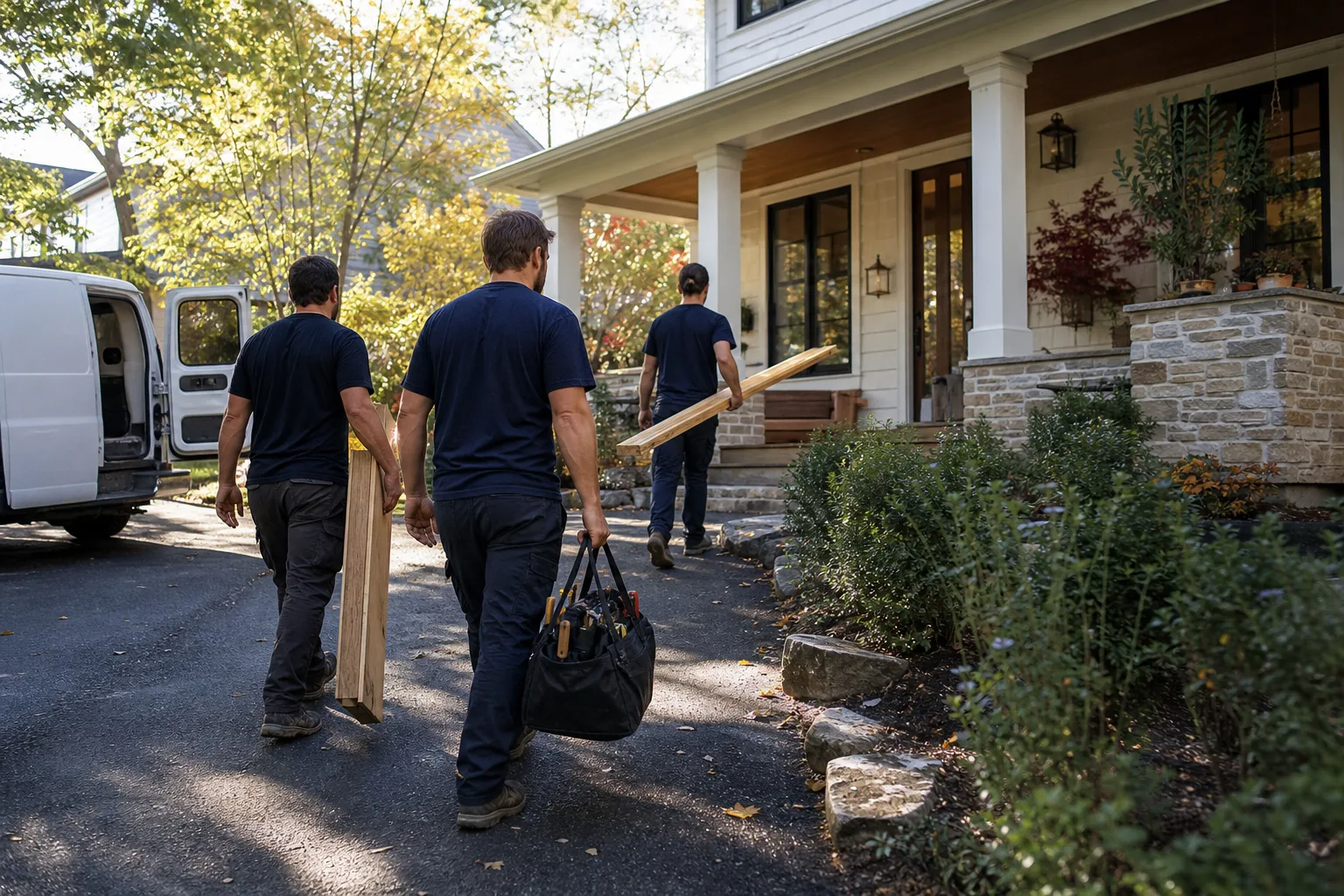
When we handle these tasks, the Cedarwell Care Promise is built around exactly this: shoe covers and drop cloths inside the house, quiet tools during family rest hours where possible, pet-safe product choices where there’s a choice, and a photo of the clean-up before the crew leaves. The point isn’t a slogan. It’s that the house is left in better shape than the crew found it, every time.
And when the work is a written price, you know what you’re agreeing to before anyone picks up a tool. That’s true whether it’s a sealing job or a full kitchen remodeling project in Mesquite.
Material Notes for a Desert Envelope
The materials on a Mesquite home take more per-square-foot punishment than the same materials in a milder climate. Two notes are worth making here, because they affect how a seasonal care plan actually performs.
Sealants and caulks. The single biggest failure is a product rated for a surface temperature below what the wall actually reaches. High-movement, desert-rated polyurethane sealants cost more per tube but last through the heat-buildup window, where a generic acrylic fails on day one. Read the substrate temperature range. If it’s not stated, ask.
Hardscape and exterior surfaces. If the home has a patio, driveway, or hardscape surfaces, the same heat and monsoon pattern applies. Products from Unilock and Techo-Bloc, for example, are engineered for temperature cycling and are worth specifying when you’re adding or repairing hardscape. They’re not exotic; they’re just tested for the kind of thermal range Mesquite actually delivers.
For any exterior project that involves a manufacturer-warranted component, the warranty document tells you what the product was rated for. Read it. If a hardscape or sealant warranty excludes “extreme heat” or “high thermal cycling,” it may not be the right product for a Mesquite exposure.
Common Mistakes to Avoid
- Trusting “extreme temperature” on the label. A -20°F to 100°F range sounds like it covers everything, but it doesn’t cover a 150°F south-facing wall. Check the substrate rating, not the marketing.
- Sealing exterior joints in the afternoon. Once a wall is hot, the sealant skins over before it bonds. A joint that looks sealed can fail within weeks. Work in the cool of the morning.
- Clearing roof drainage in May instead of July. By May the gutters are already loading up, and by the first monsoon event they’re packed. Clear them right before the monsoon window, not months earlier.
- Drilling weep holes open or caulking them shut. Weep holes are the drainage path for the window frame. Both drilling them larger and sealing them closed make water intrusion worse, not better.
- Ignoring hairline stucco cracks after the first monsoon. Those fine cracks are the entry point for the next event. Seal them in the post-monsoon window, before winter moisture finds them.
- Leaving exterior plumbing undefended over winter. Slab-on-grade homes with exterior utility chases are a specific freeze risk. A ten-minute fall check is cheaper than a burst supply line.
- Making the work a household experience. Dusty sealing and roof work while the kids are home for summer break creates stress and rework. Stagger noisy, dusty tasks around school hours and nap times.
See the difference
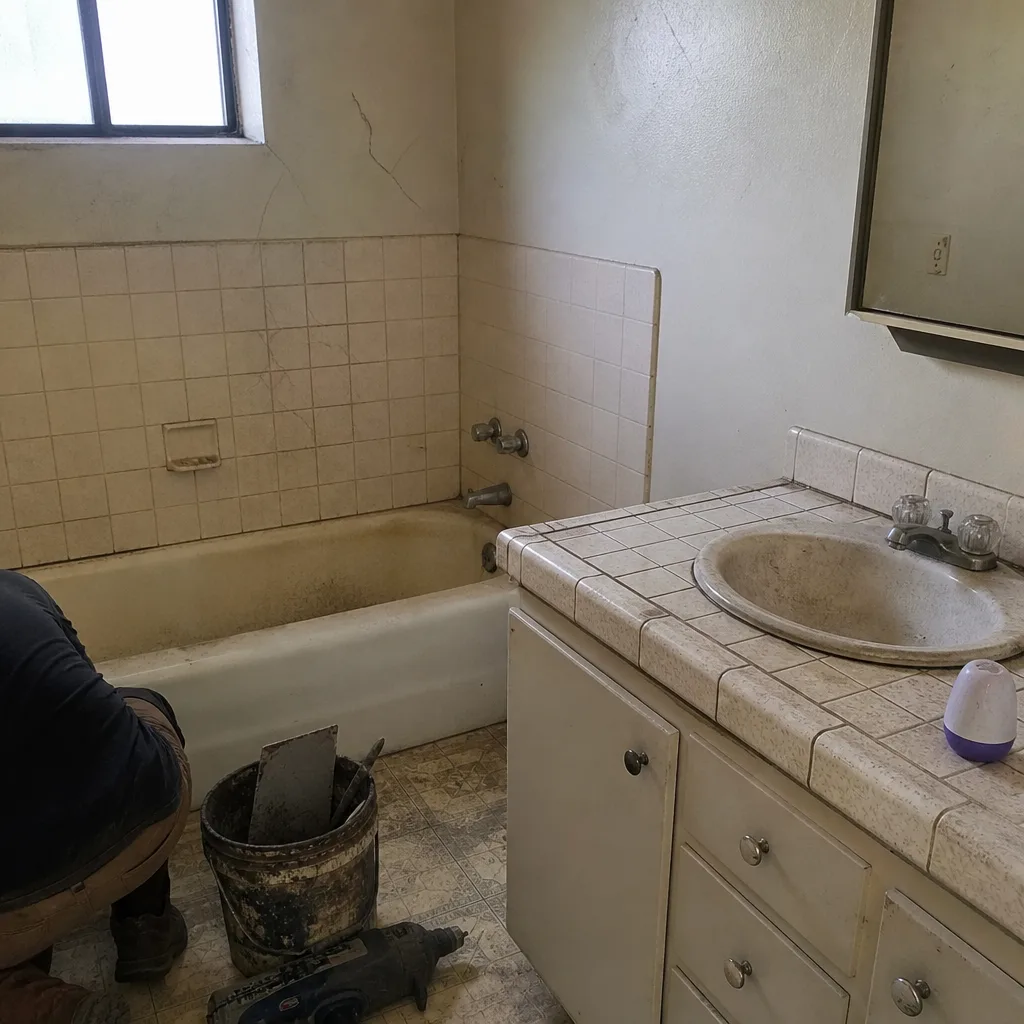 Before
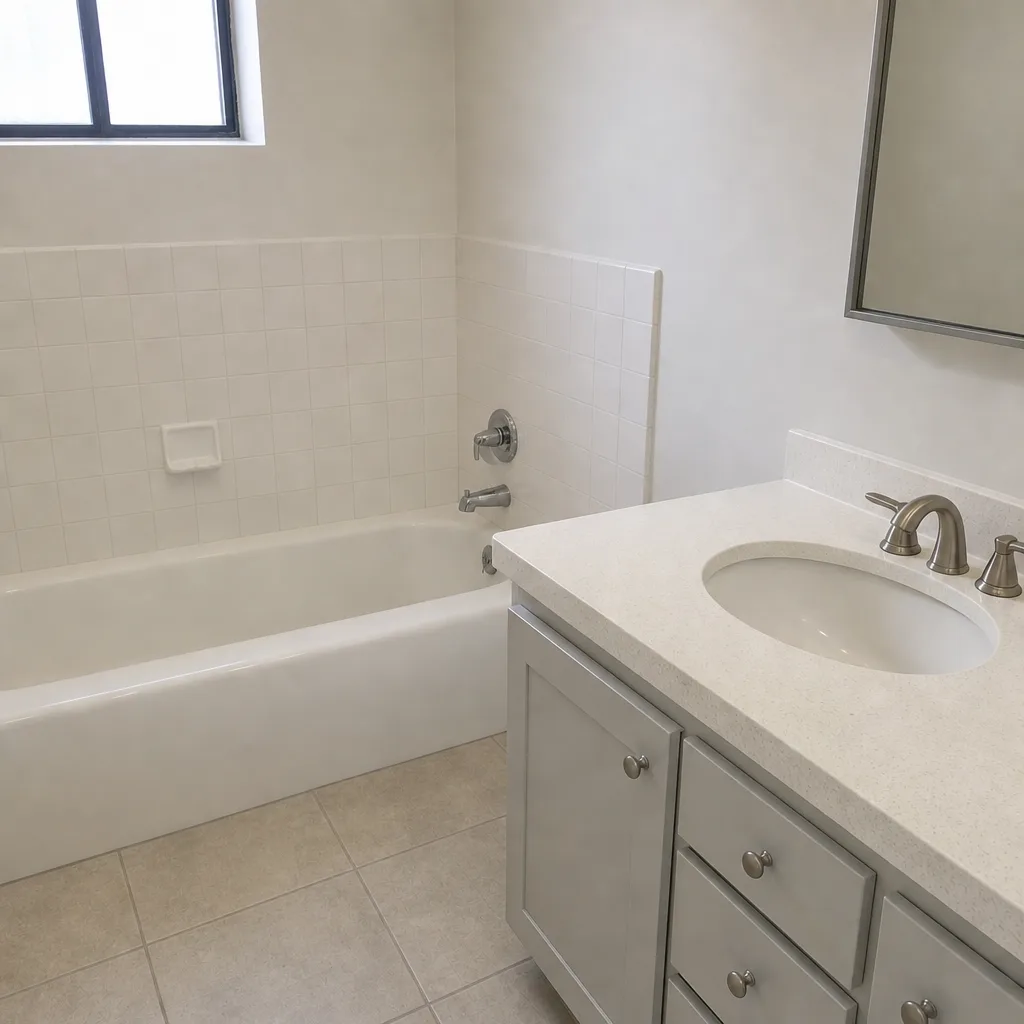 After
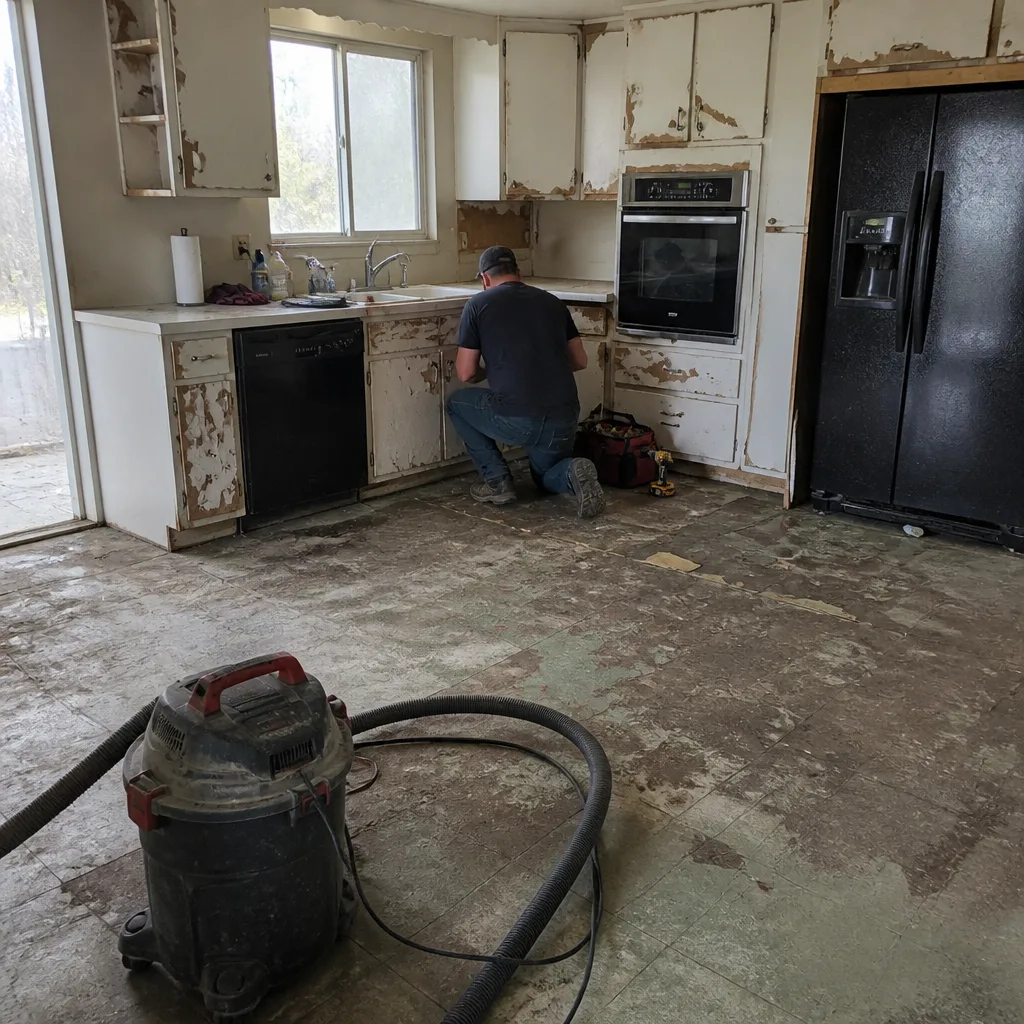 Before
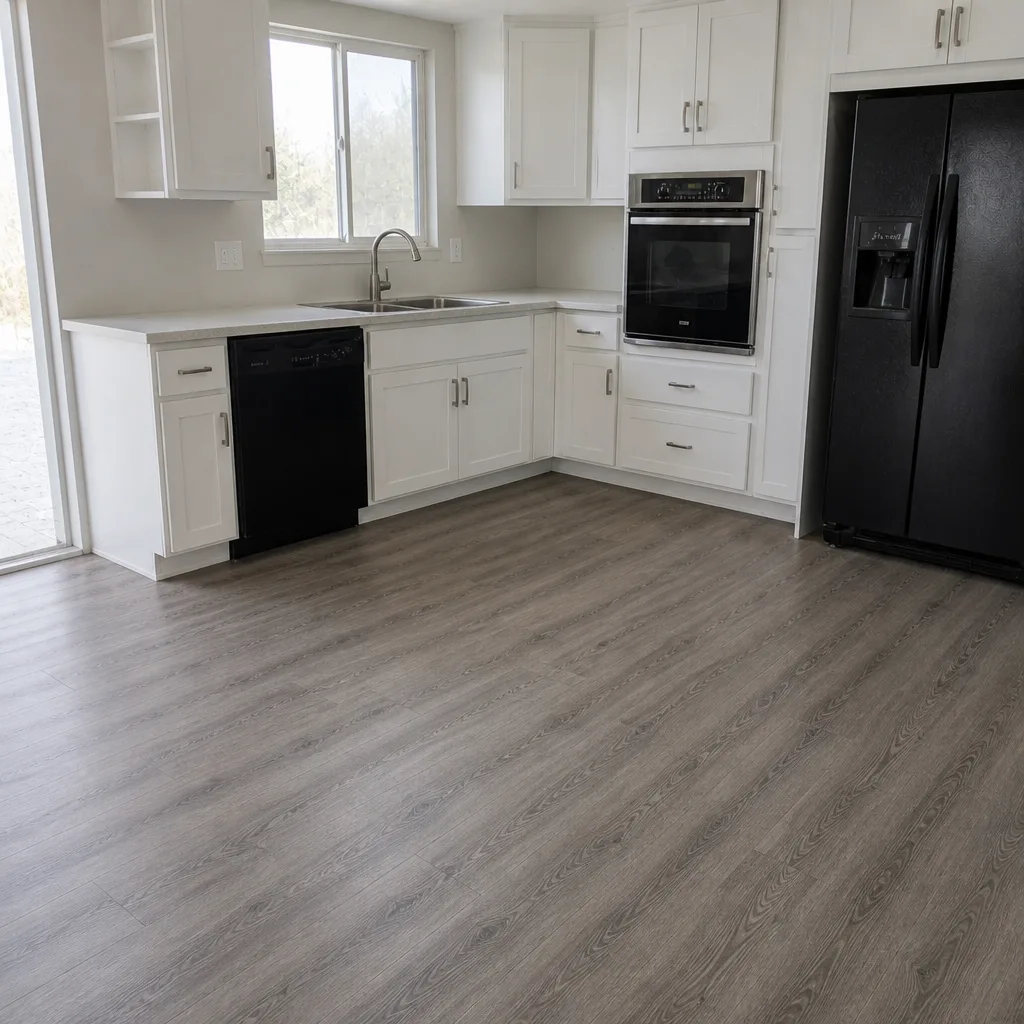 After
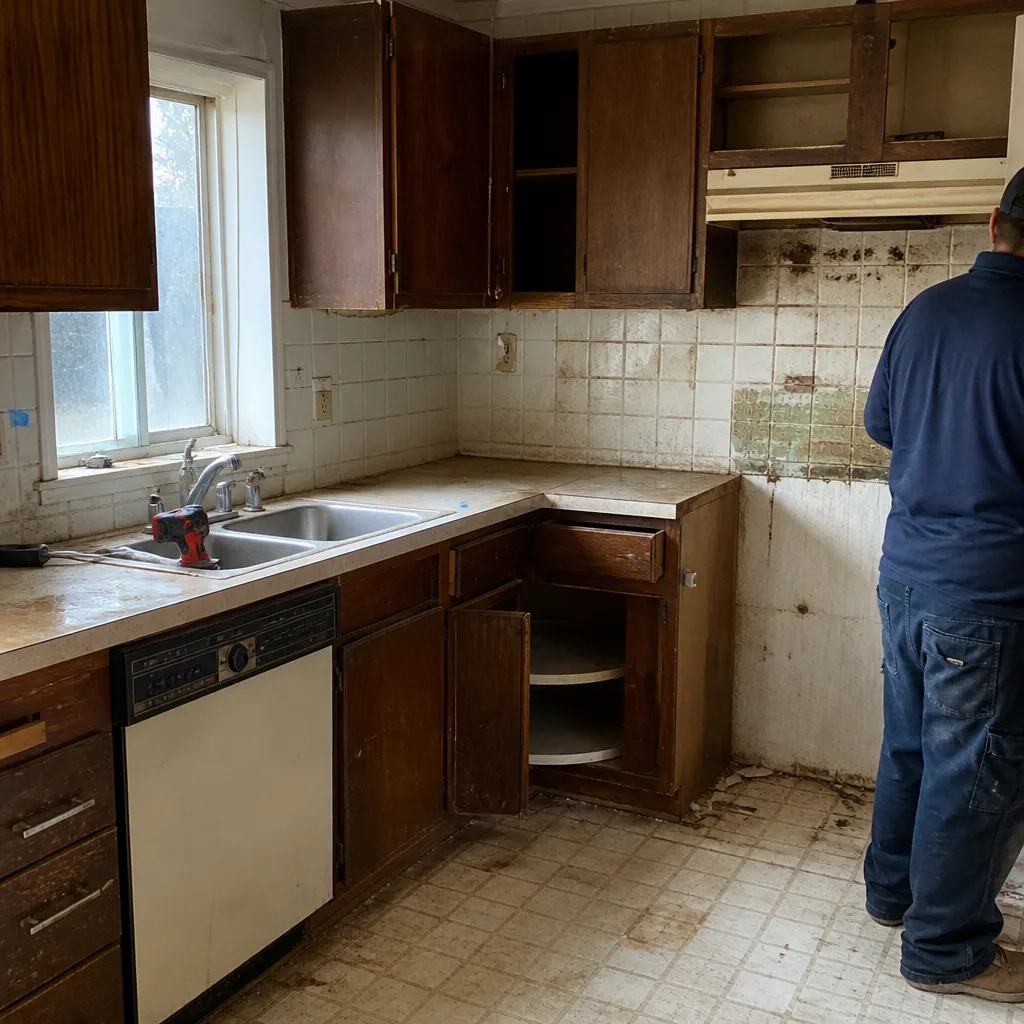 Before
 After
When to Call a Professional

Some of this work is well within a homeowner’s range: clearing gutters, checking weep holes, walking the envelope with a checklist. Some of it isn’t. Roof work involves height and heat, and heat-related stucco repair, flashing replacement, or any suspected water intrusion behind a wall is best handled by someone who does it every week. If you’ve found a stain on the ceiling, a flashing detail that’s lifted, or plumbing in an exterior chase that needs to be re-insulated, that’s the point to call.
Elmstead Remodeling Mesquite offers free estimates in Mesquite. Every estimate includes a written price before any work starts, and the work is covered by the 365-Day Done Right Promise: if it’s not done right, we make it right. Calls are answered by a live person, so you’re not leaving a message for a callback that comes days later. Call (833) 620-6606 to schedule a free estimate.
Frequently Asked Questions
Three times a year, matched to the stress windows rather than the seasons: April – May for sealing, July – August for drainage and stucco, and September – October for heat-damage assessment. A short winter check around the first freeze-capable night adds the plumbing exposure points. Call (833) 620-6606 if you’d like a professional walkthrough of all three windows.
Most exterior caulk is rated for surface temperatures of about 100°F, and a sun-exposed stucco wall in Mesquite regularly exceeds 150°F. The product degrades the day it’s applied. Choosing a desert-rated, high-movement sealant and applying it in the cool morning solves the problem. For a written estimate on resealing the envelope, call (833) 620-6606.
Mesquite’s annual rainfall is modest, but it arrives in concentrated monsoon bursts. A half-inch in twenty minutes behaves like a much larger storm on undersized or clogged drainage. The issue is intensity, not total volume. Call (833) 620-6606 for a free drainage and roof assessment before the monsoon window.
Exposed plumbing in a slab-on-grade home with exterior utility chases. Freeze-capable nights are uncommon here, but they happen, and the exposure points are the supply lines in exterior chases, exterior hose bibs, and any line running through an unconditioned attic or garage. A fall walk-through catches them before winter. Call (833) 620-6606 to schedule a free check.
A hairline crack that appears after the first monsoon event and doesn’t widen is usually cosmetic thermal movement and can be sealed. A crack that widens, lets daylight through, or shows efflorescence or staining needs a professional look. Call (833) 620-6606 for a free assessment before winter.
Yes for inspection, gutter clearing, weep-hole cleaning, and weatherstripping. No for roof work at height, flashing replacement, stucco repair, or any suspected water intrusion behind a wall. Those need a trained technician, and the work is covered by the 365-Day Done Right Promise when we handle it. Call (833) 620-6606 for a free estimate.
The Bottom Line

Mesquite’s climate rewards a three-window maintenance plan instead of a four-season one. Seal the envelope in April – May before surface temperatures outrun your sealant’s rating. Clear every roof drainage path and check window weep holes in July – August, then inspect the new stucco cracking after the first event. Assess heat damage in September – October before winter moisture turns cracks into water problems. Add a short winter check for plumbing exposure points, and stagger the noisy, dusty tasks around school hours and nap times. If any part of the plan needs a professional, Elmstead Remodeling Mesquite offers free estimates with a written price before any work starts. Call (833) 620-6606 to schedule yours.
Written by the team at Elmstead Remodeling Mesquite.