Last updated November 18, 2026






Free written scope consultation - allowances, timeline, and change-order rules on paper before a single trade is scheduled
Bathroom Remodeling Warning Signs Every Homeowner Should Know
A soft spot the size of a paperback novel near the toilet base can mean $400 of subfloor repair or $4,000 of joist sistering, and the difference is almost entirely about how long water has been sitting there. That’s the thing about bathroom remodeling: the expensive surprises are rarely the ones you can see. They’re the quiet signals a trained eye reads during a walk-through, before demo starts, before anyone signs a contract. In Mesquite, where hard water runs through nearly every home and slab foundations keep moisture close to the ground, those signals show up differently than they do in wetter climates. This guide walks through what to look for, what each sign actually costs to fix, and how to read a contractor’s behavior the same way you’d read a crack in the grout.
Quick Answer
The warning signs that most often drive bathroom remodel costs up are soft or bouncy subfloor near the toilet and tub, grout that darkens and won’t dry, wall flex around the shower, musty smells under the vanity, and repeated caulk failure at the wet-wall joints. Separately, watch for the contractor-side signs: verbal-only scope, no mention of permits, and vague material descriptions. Catching either kind of sign before you sign is what keeps a project on budget in Mesquite.
Styles & brands we work with
- Kitchen remodeling
- Bathroom remodeling
- Home additions & ADU
- Roofing
- Windows & doors
- Driveway & pavers
- Fence
Table of Contents
- Surface Signs vs. Structural Signs: What Each Actually Costs
- What a Walk-Through Should Disclose vs. What Demo Reveals
- The Mesquite Hard Water Problem Hiding Inside Your Valve Bodies
- Warning Signs in a Contractor’s Own Behavior
- A Pre-Sign Checklist Every Homeowner Should Run
- How a Written Price Handles Mid-Project Discoveries
- Signs Your Project Plan Ignores Your Family
- When to Call a Professional
Surface Signs vs. Structural Signs: What Each Actually Costs
Most homeowners lump every bathroom problem into one bucket marked “expensive.” In practice, the difference between a surface warning sign and a structural one is a factor of ten. Knowing which kind you’re looking at tells you whether you’re pricing a weekend of patching or a week of rebuilding.
Surface signs tell you something is happening. Structural signs tell you something already happened and has been quietly getting worse. A peeling strip of paint above the shower is a surface sign. A wall you can press in with two fingers near the tile is a structural one. The first costs $150 to $400 to address during a remodel. The second can run $2,000 to $6,000 once you’re adding backer board, new cement board, and waterproofing membrane behind it.
Here’s how we sort them on a walk-through:
- Surface: peeling paint, discolored grout lines, worn caulk at the tub edge, bubbling drywall texture. Usually $150 – $600 to resolve mid-remodel.
- Surface-with-a-cause: recurring mold speckles, a stain that keeps coming back after cleaning. $400 – $1,200 because you’re also finding and stopping the moisture source.
- Structural: soft subfloor near the toilet or tub, a floor tile that moves when you step on it, wall flex around the shower, a door that no longer closes square, visible sag. $1,500 – $6,000+ depending on how far the damage has spread.
- Framing: bouncy floor joists, sistering needed, rotted sill plate. $3,000 – $8,000+ and always a discovery that changes the written scope.
We’ve watched a single soft spot near a toilet base in Mesquite turn into a full subfloor replacement because the water had been wicking through slab-adjacent framing for years. That’s not a scare number. That’s what happens when a small sign gets ignored across several remodeling cycles. For a deeper walk through the full remodel process, see our page on Bathroom Remodeling in Mesquite.
What a Walk-Through Should Disclose vs. What Demo Reveals
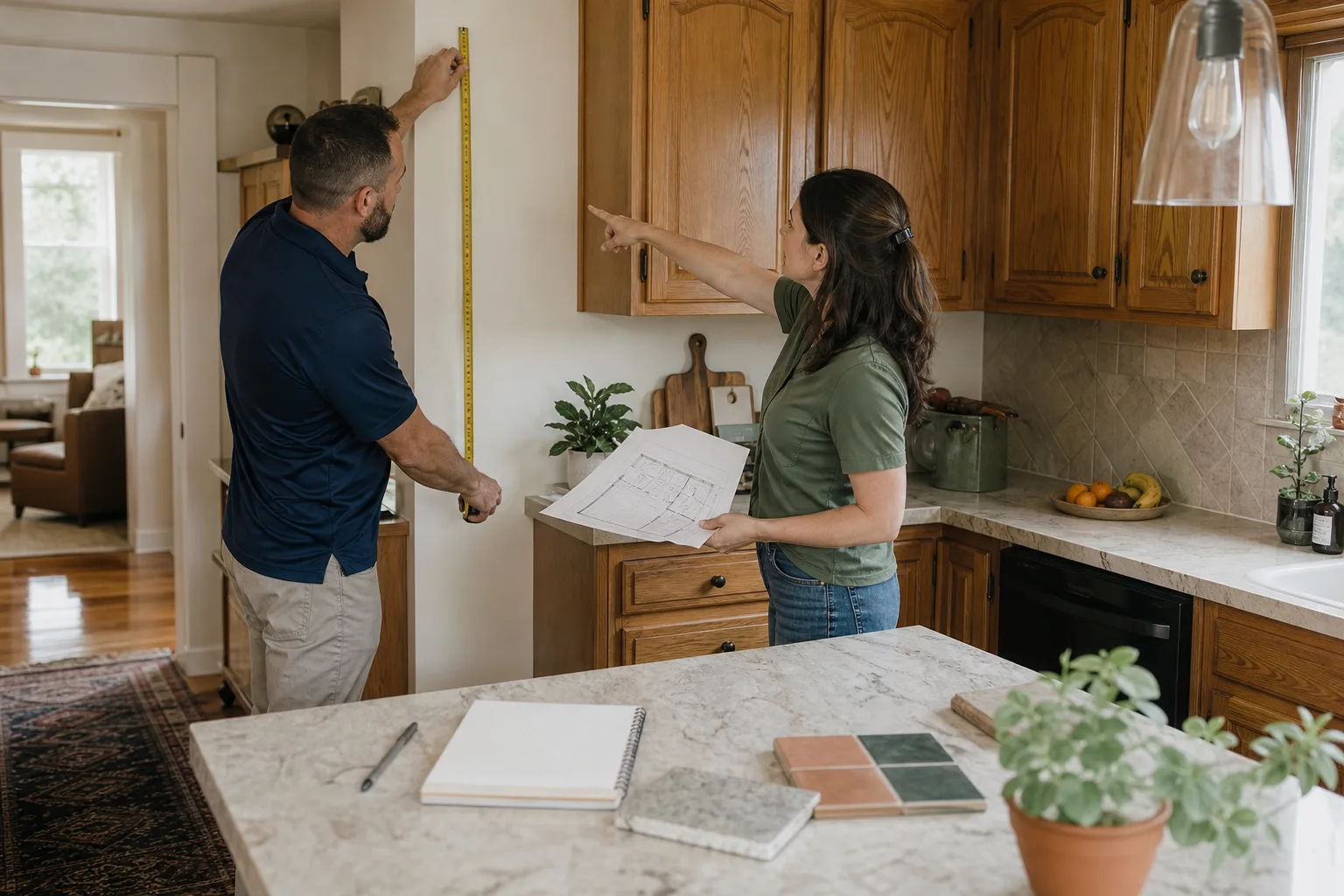
A thorough contractor walk-through should identify most of what’s visible and inferable before demo. It should not promise to identify everything. The honest distinction is this: a walk-through reads signs. Demo reads structure. Both are legitimate, and the difference matters because it determines how your written price gets built.
What a good walk-through in Mesquite should turn up:
- Any soft spot or deflection in the subfloor you can reach by hand or foot.
- Visible water staining under the vanity and around the toilet flange.
- Caulk failure patterns that suggest movement behind the tile.
- Evidence of prior remodels (old tile patterns, mismatched grout lines, outlet placement).
- Age of the shutoff valves and supply lines.
- Whether the existing exhaust fan actually vents to the exterior or into the attic.
What only demo reveals:
- Whether the subfloor damage extends under the tub or shower pan.
- Whether the wall behind the tile has proper waterproofing or just drywall and hope.
- Whether the plumbing rough-in matches what the new fixtures require.
- Whether the joist under a soft spot is sound or needs sistering.
Here’s the point: a contractor who promises “no surprises” during demo is telling you something that isn’t true. What they can guarantee is a defined process for handling what’s found. That’s what the Elmstead Remodeling Mesquite home page describes in more detail, and it’s the standard every project should be held to.
The Mesquite Hard Water Problem Hiding Inside Your Valve Bodies
Southern Nevada water runs hard, and if you’ve lived in Mesquite for more than a few years, you already know what it does to shower heads and faucet aerators. What most homeowners don’t see is what happens inside the valve body, the brass cartridge housing behind the wall where hot and cold mix.
Hard water leaves mineral scale on every surface it touches. Inside a valve cartridge, that scale builds up in layers over years, narrowing the flow path and stiffening the plastic or ceramic components that control temperature. The shower handle starts feeling tight. The water temperature gets harder to hold. Then one day the handle turns but nothing happens, or worse, the cartridge seizes and the valve body itself cracks trying to remove it.
Once the walls are open during a remodel, a trained eye can tell immediately whether the existing valve body is worth keeping. Here’s what we look for:
- Visible scaling on the brass body around the cartridge seat.
- A cartridge that won’t pull out without damage (a strong sign the body is compromised).
- Discolored water at first draw after a valve has sat unused.
- Evidence of prior cartridge replacement attempts.
- Original 1990s or earlier valves with no accessible shutoff.
When the valve is compromised, replacement is non-negotiable during a remodel. Going back in with new tile over a failing valve means cutting into the new wall later, and nobody wants that. We recommend Kohler or Moen valve bodies for Mesquite homes specifically because their cartridge designs are more forgiving of hard water and their parts are widely available if service is ever needed. Homeowners can look up those part numbers themselves before committing. The trick is deciding this before demo, not after. That’s the entire value of a pre-project walk-through in a hard-water town like Mesquite.
Warning Signs in a Contractor’s Own Behavior
Some of the most important bathroom remodeling warning signs have nothing to do with your house. They’re in the way a contractor talks about the project. We’ve heard the same handful of red-flag phrases for years, and they almost always predict the same handful of problems months later.
The signs to watch for before you sign anything:
- Verbal-only scope. If the plan is described but not written down, it doesn’t exist. A written price before any work starts is the single most important protection in a remodel. Full stop.
- No mention of permit requirements. In Mesquite, bathroom remodels that move plumbing, electrical, or structural elements require permits and inspection. A contractor who waves that off is telling you they don’t plan to be inspected.
- Vague material descriptions. “Tile” and “vanity” and “fixtures” are not specifications. KraftMaid and Wellborn cabinets have model numbers, finishes, and warranty terms. So do the countertops from Cambria or Silestone. If you can’t verify what’s going in, you can’t compare bids honestly.
- Estimates that shift after crews arrive. A written price is not an estimate. An estimate is a guess with a signature next to it. A written price is the number you’ll pay unless you sign off on a change.
- Reluctance to document the clean-up. If the contractor doesn’t have a defined clean-up standard you can point to, you’ll be living in dust for the length of the project.
- No one answers the phone. If reaching a contractor is hard before the job, it’s going to be impossible when there’s a question on day six.
Our technicians have up to 21 years of experience reading both kinds of signs, the ones in the house and the ones in the paperwork. Both matter equally. For a broader view of how these standards apply across projects, see our page on General Contractor in Mesquite.
A Pre-Sign Checklist Every Homeowner Should Run
Before you sign a bathroom remodeling contract in Mesquite, run this checklist. It’s the same one we use internally when a client asks how to compare bids.
- Press every wall within three feet of the shower and tub. Any give is a structural sign. Note it before demo.
- Walk the bathroom floor in bare feet. Feel for soft spots, especially near the toilet flange and tub apron.
- Look at the grout lines. Dark lines that stay dark after cleaning point at moisture behind the tile.
- Open the vanity doors and smell. Musty odors under a sink are a plumbing leak that’s been slow for months.
- Check the exhaust fan. Turn it on, hold a tissue to the grille. If it won’t hold, it’s not venting.
- Test the shower valve. Turn it to hot and cold slowly. Any grinding or tightness is a warning sign of hard water buildup inside.
- Ask for the permit plan in writing. Which permits, who pulls them, who meets the inspector.
- Ask for the material specifications. Brand, model, finish, warranty terms, in writing.
- Ask how mid-project discoveries are handled. A good answer names a written change order process, not a text message.
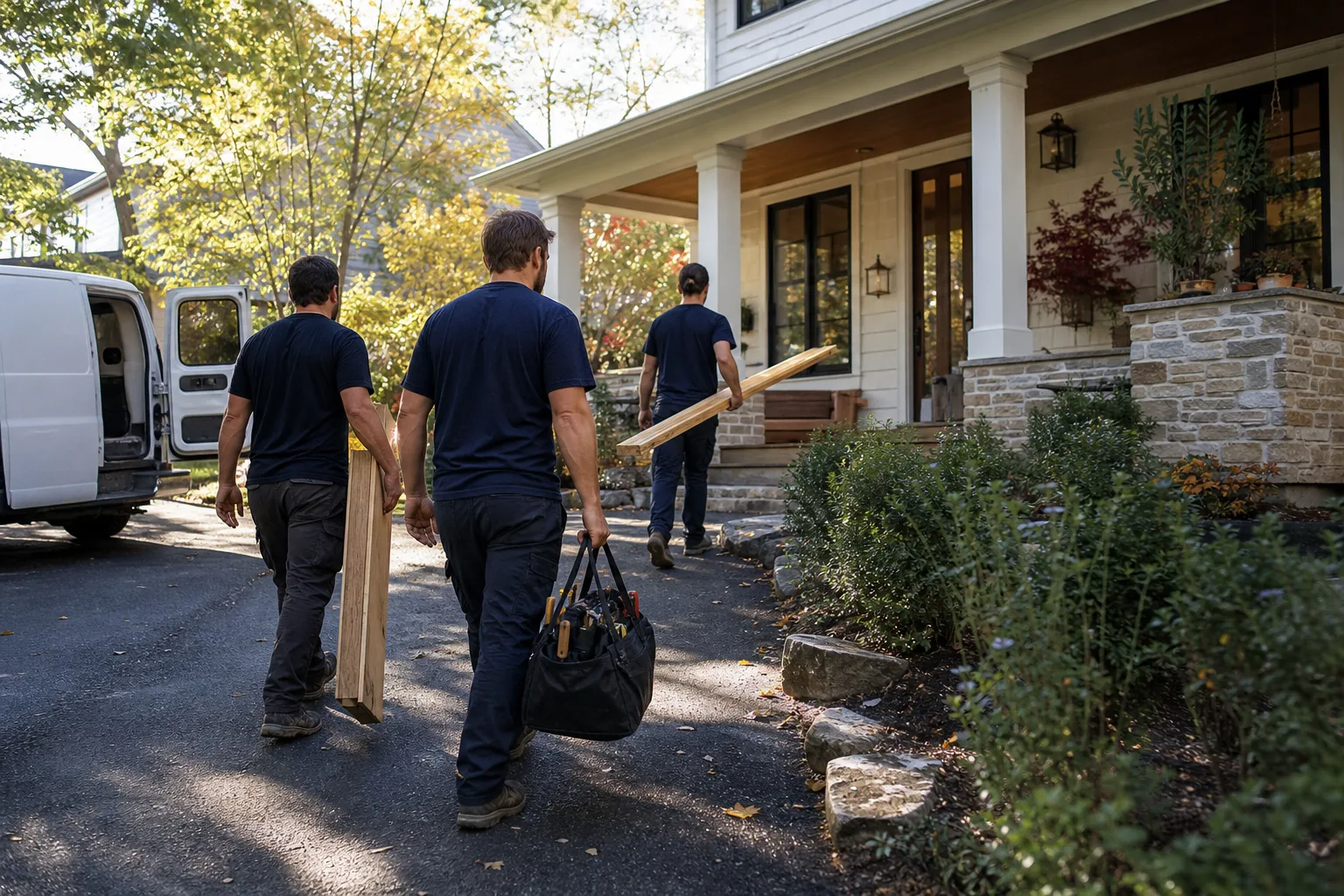
- Ask who shows up. Background-checked, uniformed technicians on every job, or rotating subs you’ve never met?
That last one matters more than most homeowners realize. You’re letting people into your home for weeks. Knowing who they are is part of the safety standard, and it’s part of what a family should be able to expect.
How a Written Price Handles Mid-Project Discoveries
Here’s the real reason a written price before work starts is the strongest protection in a remodel: it forces every party to agree on what happens when the walls open and something unexpected appears. Without a written process, the “unexpected” becomes a surprise invoice. With one, it becomes a documented change order with a number attached before anyone moves forward.
At Elmstead, the process works like this. The walk-through happens first. Anything we can see or reasonably infer gets written into the price. The price is delivered before any work starts, in writing, on every project. If demo reveals something the walk-through couldn’t have shown, we stop, document it with photos, explain what we found, and give a written change with a specific number before we move forward. You decide whether to proceed. There is no scenario in which work continues and the invoice grows after the crew arrives.
We’ve had this conversation in Mesquite more times than we can count. In older Mesquite homes, particularly around the original build-outs from the 1990s and 2000s, we regularly see valve bodies that need replacement and subfloor that needs repair once the tile comes up. Both were inferable at the walk-through in most cases. Both were written into the price. The demo confirmed what we already told the client, and nobody was surprised.
That’s what a written price actually does. It converts the unknowns of bathroom remodeling into a defined decision tree, and it lets you plan the project around your life rather than around a growing invoice. The Kitchen Remodeling in Mesquite process uses the same structure, because the principle doesn’t change from room to room.
Signs Your Project Plan Ignores Your Family
One warning sign almost everyone forgets to check: does the project plan account for the fact that you have kids and pets living in the house during the work? A bathroom remodel takes weeks. During that time, your family uses a different bathroom, walks around protection on the floors, and sleeps through some of the loudest parts of the job. A contractor who hasn’t thought about any of that is going to make the project harder than it needs to be.
Signs to look for in the plan itself:
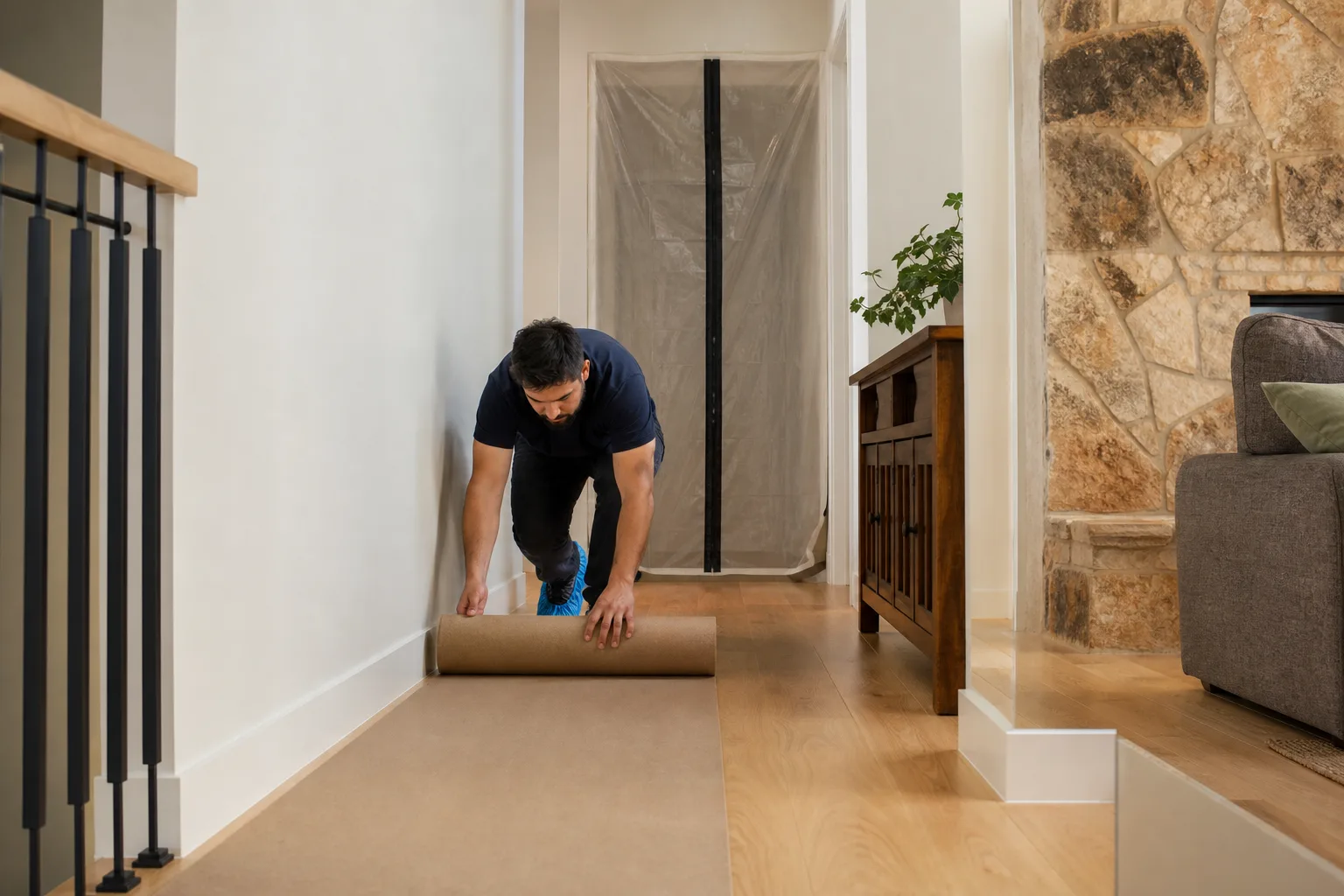
- No mention of how the floors will be protected. Shoe covers and drop cloths on every visit should be standard, not an add-on.
- No discussion of quiet hours. If you have a toddler who naps at 1 p.m. or school pickup at 3, the schedule should reflect that. Ours does, where possible.
- No mention of pets. Doors get left open, tools get set down, dust travels. Pet-safe product choices where there’s a choice, and clear communication about which days the job will have the front door open, both matter.
- No clean-up standard. We send a photo of the clean-up before the crew leaves on every job, because “we cleaned up” means different things to different people and you deserve proof.
- No written policy on moving your belongings. Ask before we move or touch anything is one of our standards. It should be anyone’s.
These aren’t soft extras. They’re the part of the project that determines whether the remodel feels like an improvement to your home or an invasion of it. The Cedarwell Care Promise exists because families with children and pets told us, project after project, that the clean-up and the quiet hours were just as important as the tile.
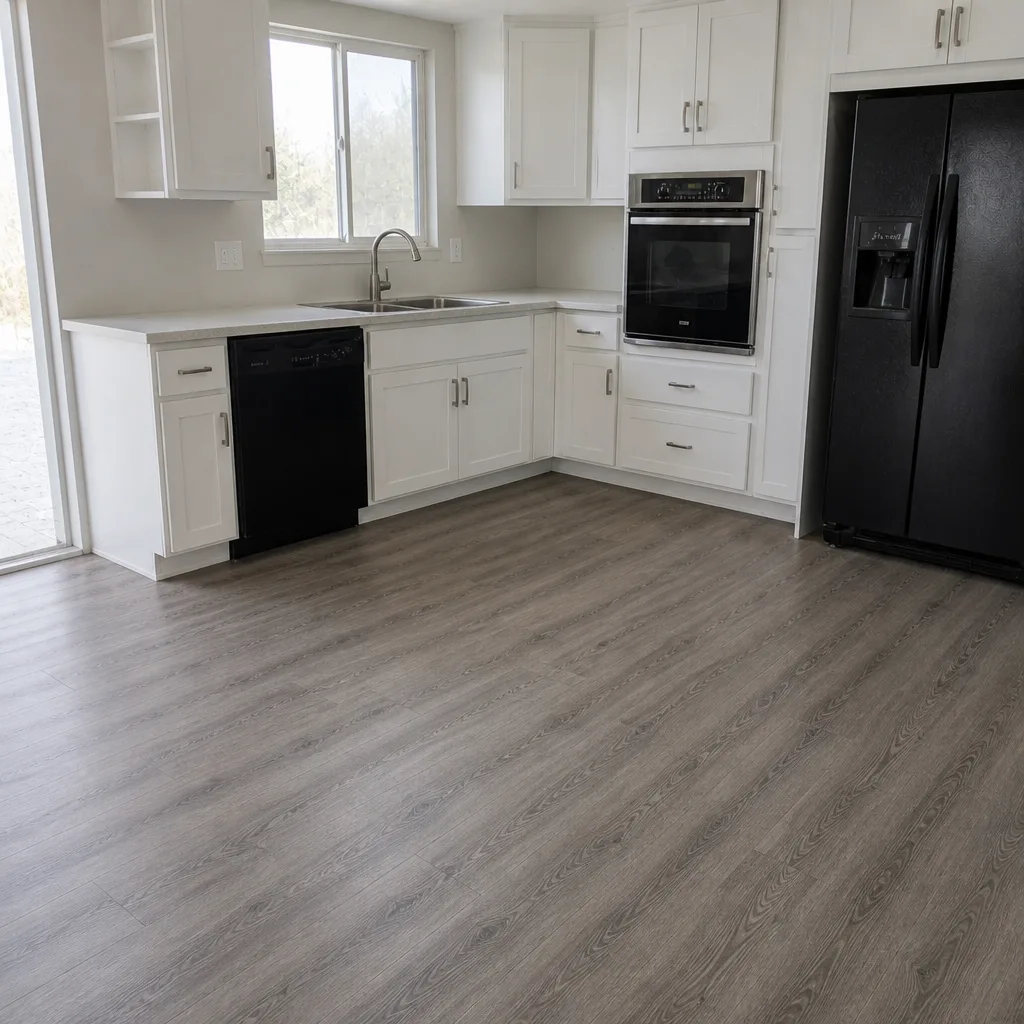
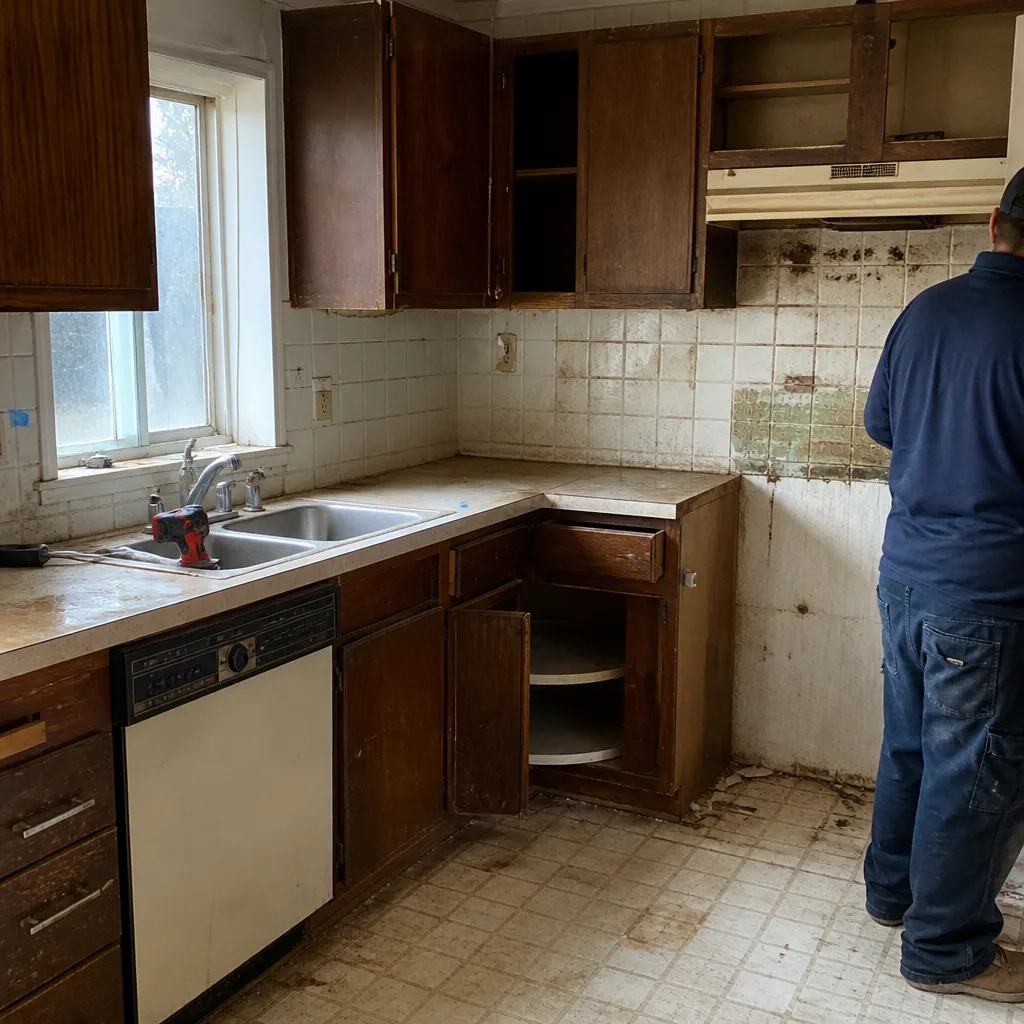
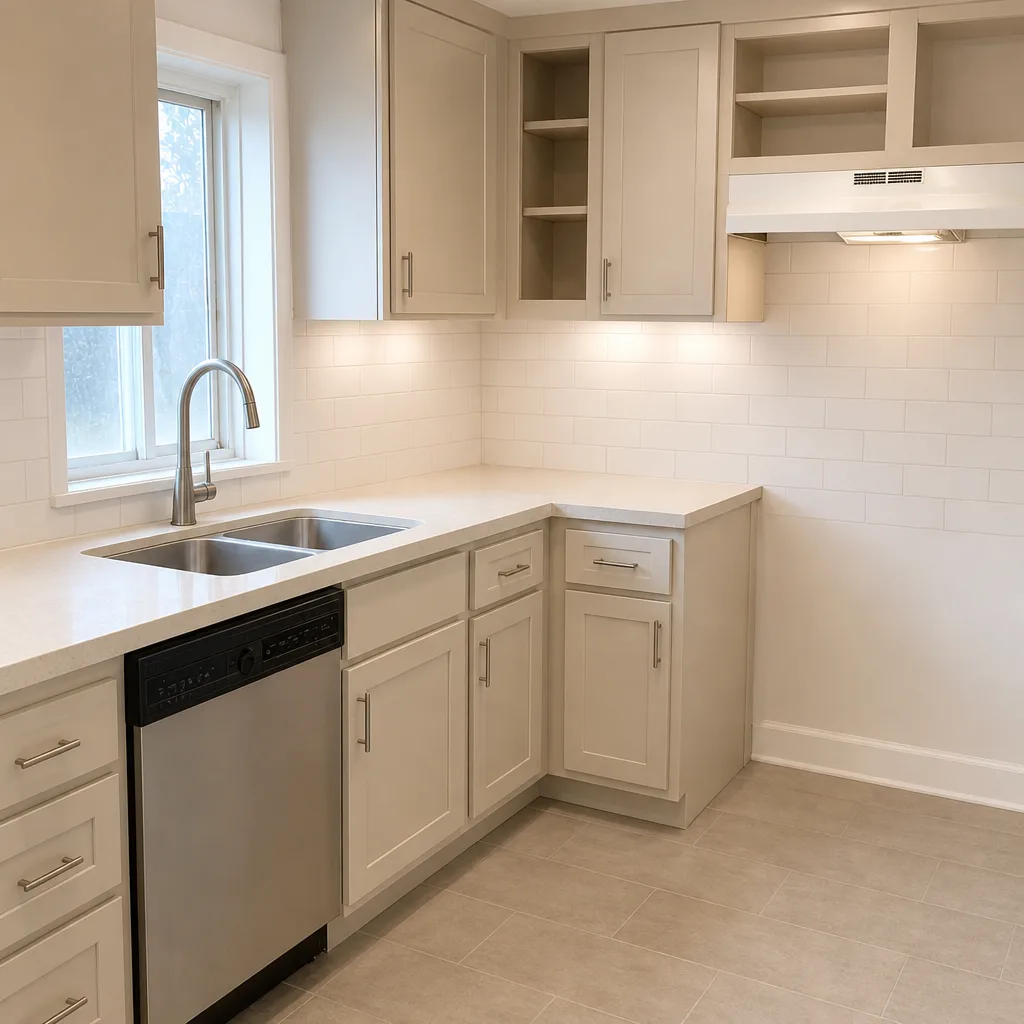
See the difference
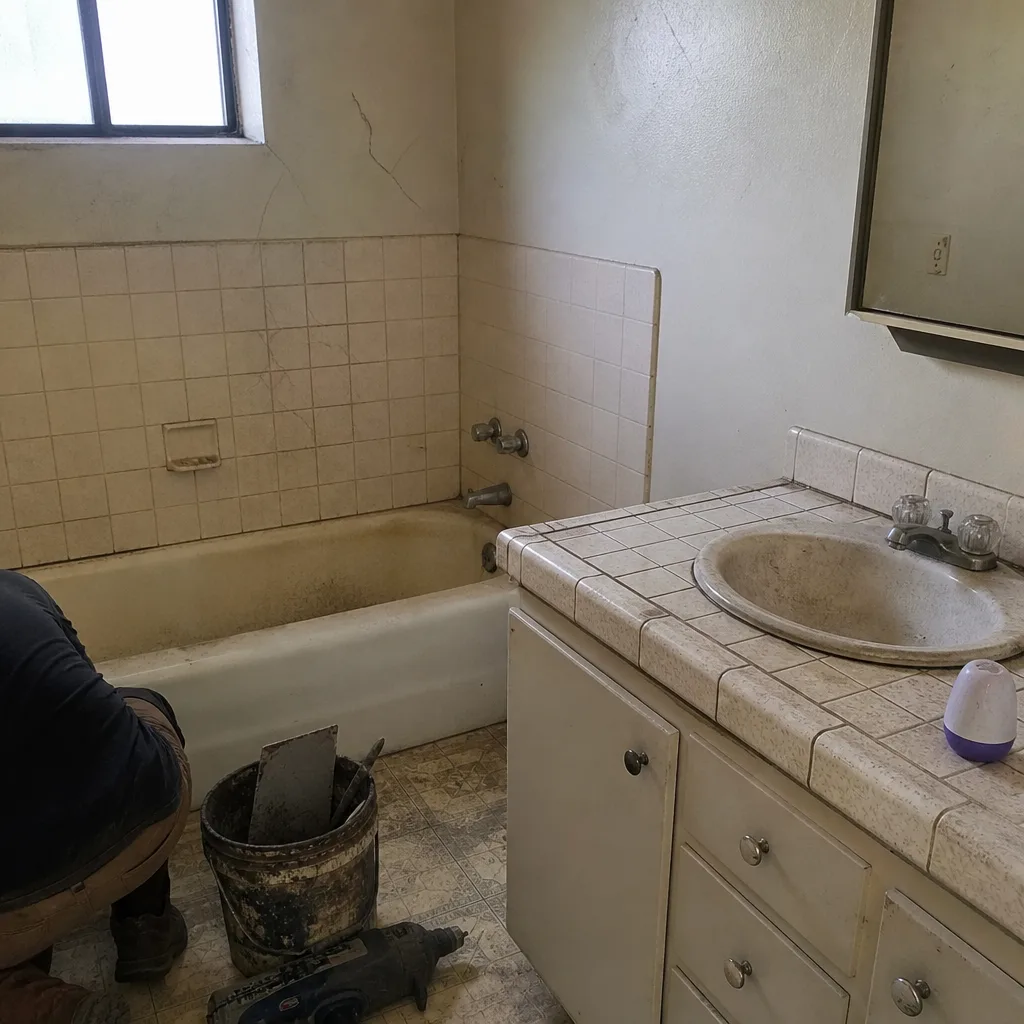 Before
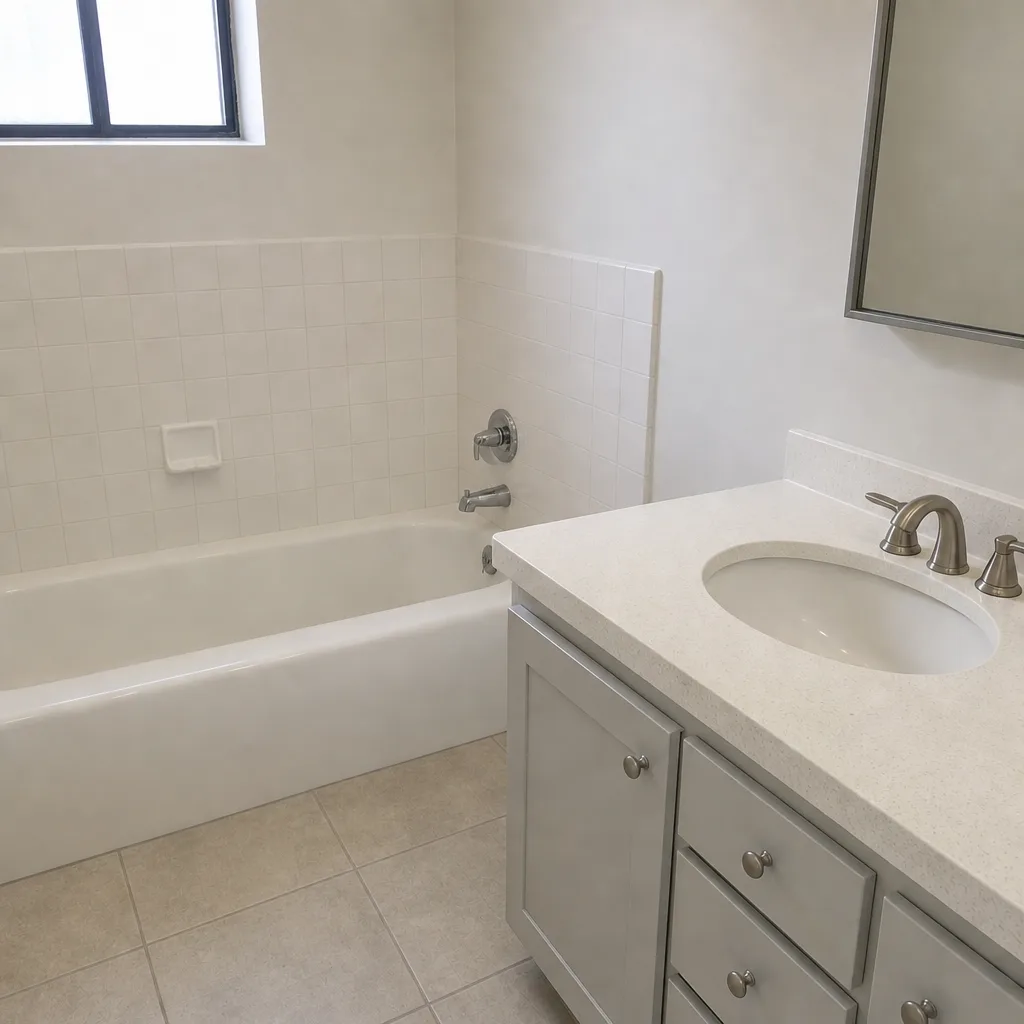 After
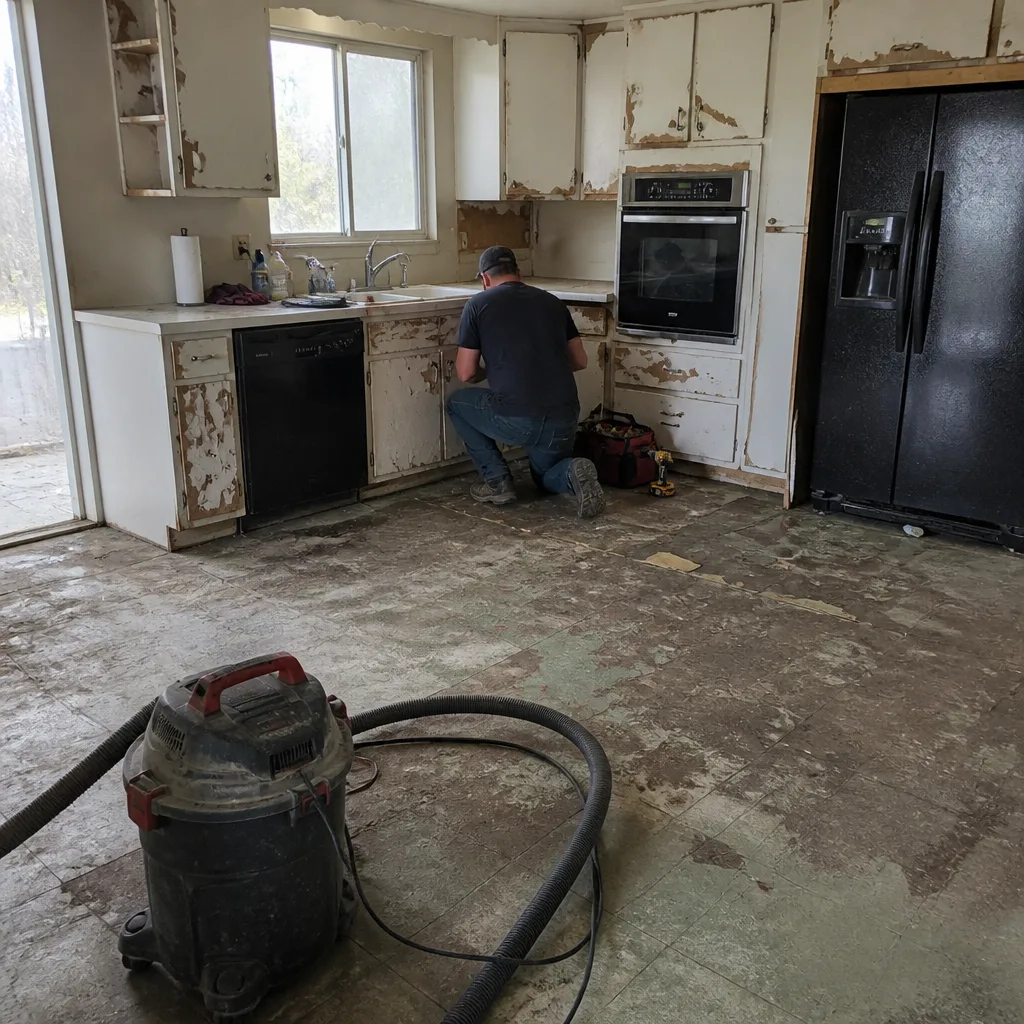 Before
 After
 Before
 After
Common Mistakes to Avoid
- Comparing bids by the bottom line only. A bid $4,000 lower than the rest usually means one of three things: no permits, cheaper materials than the specification says, or a change-order process designed to make up the difference later. Ask for line-item detail on every bid.
- Ignoring hard water in Mesquite. Replacing fixtures without replacing the valve body is the most common mistake we see in Southern Nevada. Six months later, the new handle feels tight and the whole thing needs re-opening.
- Trusting a verbal scope. If it isn’t written down with a model number and a price, it isn’t part of the project. That includes finishes, cabinet lines, and fixture brands.
- Not asking who shows up. Rotating subcontractors with no background check is a real risk when you have children or pets in the house. Ask.
- Skipping the pre-sign walk-through. A walk-through is free and takes an hour. Skipping it means every soft spot, valve, and venting issue becomes a discovery during demo instead of a line item you already approved.
- Assuming the contractor’s “no surprises” pledge is real. It isn’t a guarantee, it’s a slogan. What you actually want is a written process for handling what demo reveals, with photos and numbers on paper.
- Overlooking clean-up standards. Dust travels through the whole house during a remodel. If the plan doesn’t specify drop cloths, shoe covers, and a documented clean-up, you’ll spend weeks wiping down surfaces the crew never touched.
When to Call a Professional
Call a professional when you find any structural sign, when the shower valve is stiff or the temperature is hard to hold, or when you’re planning a remodel that touches plumbing, electrical, or structural elements and you want to know what the walk-through will actually reveal. Call when you’ve been putting off the soft spot near the toilet for a year, or when the grout looks dark even after cleaning, or when a bathroom the family uses daily is going to be out of commission for weeks and you want the schedule to account for that. Elmstead Remodeling Mesquite offers free estimates in Mesquite, with a walk-through that names what we see and a written price before any work starts. Call (833) 620-6606 and a live person will answer, every time.
Frequently Asked Questions
The biggest warning sign is a soft or bouncy subfloor near the toilet or tub, because it usually means water has been sitting for months or years and the repair cost can grow from hundreds to thousands depending on how far it has spread. A close second is wall flex around the shower, which points to framing or waterproofing problems behind the tile. Both are visible during a walk-through and should be discussed before you sign.
Walk the bathroom floor in bare feet and press down near the toilet flange, tub apron, and vanity. Any spot that gives, bounces, or feels different underfoot is a sign of water damage. You can also look for a tile that moves when stepped on, or a toilet that rocks even slightly. If you find any of these in a Mesquite home, note the location and ask about it during the walk-through.
Hard water in Southern Nevada deposits mineral scale inside valve cartridges over years, narrowing flow and stiffening the handle until the valve body fails. Once walls are open, replacing a compromised valve body is non-negotiable, and going back in with new tile over an old valve means cutting the wall open again later. We recommend Kohler and Moen valve bodies for Mesquite homes because their cartridges tolerate hard water better and parts are widely available.
Not without a written change order you approve. A written price before any work starts is the standard on every Elmstead project, and if demo reveals something the walk-through couldn’t have shown, we stop, document it with photos, and give a written number before proceeding. You decide whether to move forward. No surprise invoices, no growing price after crews arrive.
Yes. Any remodel that moves plumbing, electrical, or structural elements requires permits and inspection in Mesquite, and we pull them and meet the inspector as part of the project. A contractor who waves off permits is a warning sign, because it means the work won’t be inspected and you’ll carry the risk.
Most bathroom remodels take three to five weeks depending on scope. The Cedarwell Care Promise covers what happens during that time: shoe covers and drop cloths on every visit, quiet tools during children’s sleep and school hours where possible, pet-safe product choices where there is a choice, and a photo of the clean-up before the crew leaves on every job. Call (833) 620-6606 for an exact quote on your Mesquite project; estimates are free.
The Bottom Line
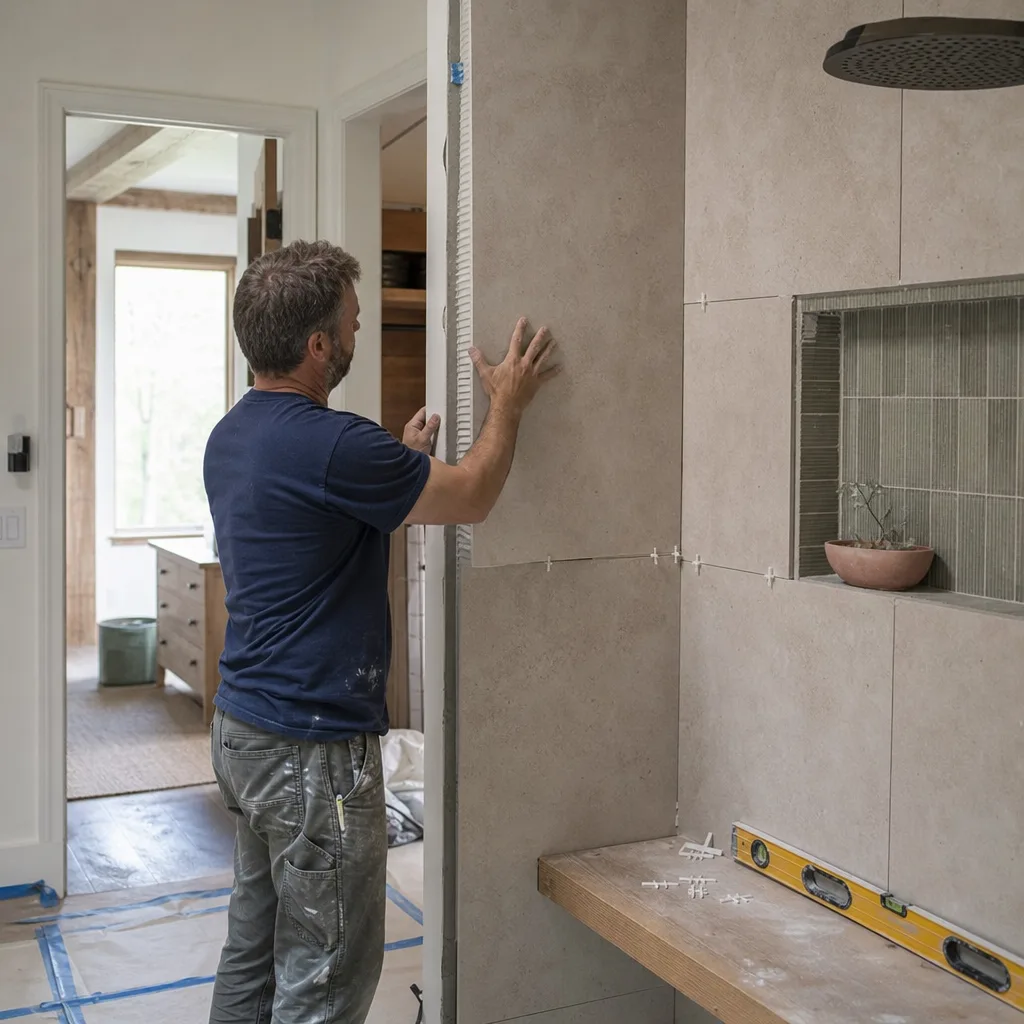
The warning signs that matter most in a bathroom remodel are the quiet ones, the soft spot, the stiff valve, the grout that won’t dry, and the contractor who never mentions a permit or a written price. Catching them before you sign is what separates a project that finishes on budget from one that doubles in cost. In Mesquite, hard water and slab foundations make certain signs more likely, so a real walk-through before any work is priced is worth more than any bid you’ll receive. If you’re ready to have someone read the signs with you, Bathroom Remodeling in Mesquite outlines what a thorough walk-through actually covers, and the team is one call away.
Elmstead Remodeling Mesquite combines the Cedarwell Care Promise with the 365-Day Done Right Promise, a written price before any work starts, background-checked and uniformed technicians on every job, and phones answered by a live person 24/7. Every quote is free, and every project starts with a walk-through that tells you what we see before anyone signs anything. Call (833) 620-6606 to schedule your free estimate in Mesquite.
Written by the team at Elmstead Remodeling Mesquite.